Editorials Inside Hyundai Motor Group’s Hackathon: Turning Students’ Bold Ideas into Real Solutions
Please use Safari to download the files.
In the second episode of our series on HMGICS’s community initiatives, we look at the annual hackathon giving Singapore’s students a platform to turn bold ideas into real-world solutions.
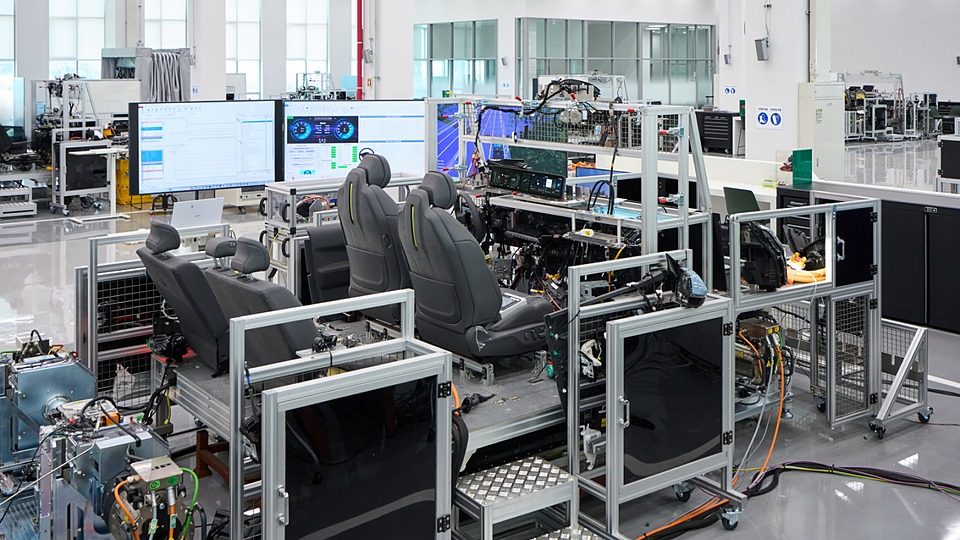
At Hyundai Motor Group Innovation Center Singapore (HMGICS), innovation takes many forms — from advancing manufacturing technologies through technologies such as robotics, AI and digital twin to exploring new customer experiences and engaging the wider community. Once a year, that spirit of innovation moves somewhere less predictable — into the hands of students who are invited to turn bold ideas into responses to real-world challenges.
For five years, HMGICS and Hyundai CRADLE Singapore have co-organized the Hackathon, an annual challenge that asks students to tackle real-world problems with the same human-centered thinking the facility applies to manufacturing. The 2026 edition drew its largest cohort yet, and its most demanding brief.
During a recent CSR film shoot, a young boy summed up the spirit of the event in a single question: “What if a car is not just a car?” He imagines a vehicle that transforms into a metal shield, keeping everyone safe inside when a major flood hits. His sister tells him he’s been watching too many movies. It’s the kind of idea adults tend to wave away. The Hackathon exists to do the opposite.
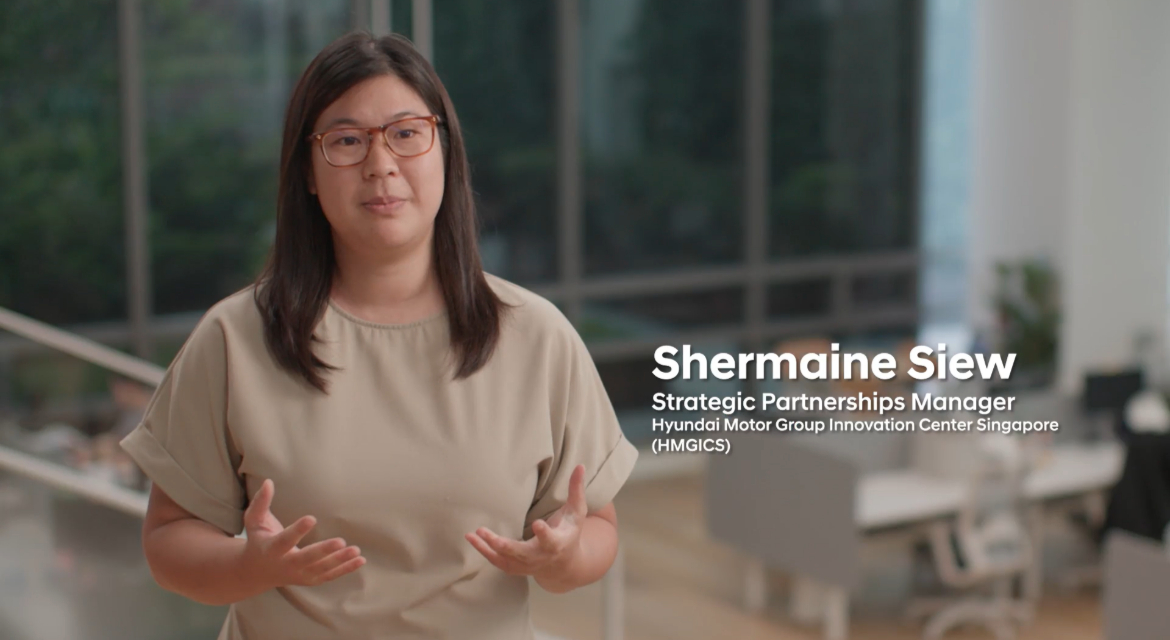
“We’ve been doing the Hyundai Motor Group Hackathon since 2022,” says Shermaine Siew, Strategic Partnership Manager at HMGICS. “It’s always been a platform to allow young people to embolden themselves, to develop ideas and translate them into solutions to meet real-world problems.”
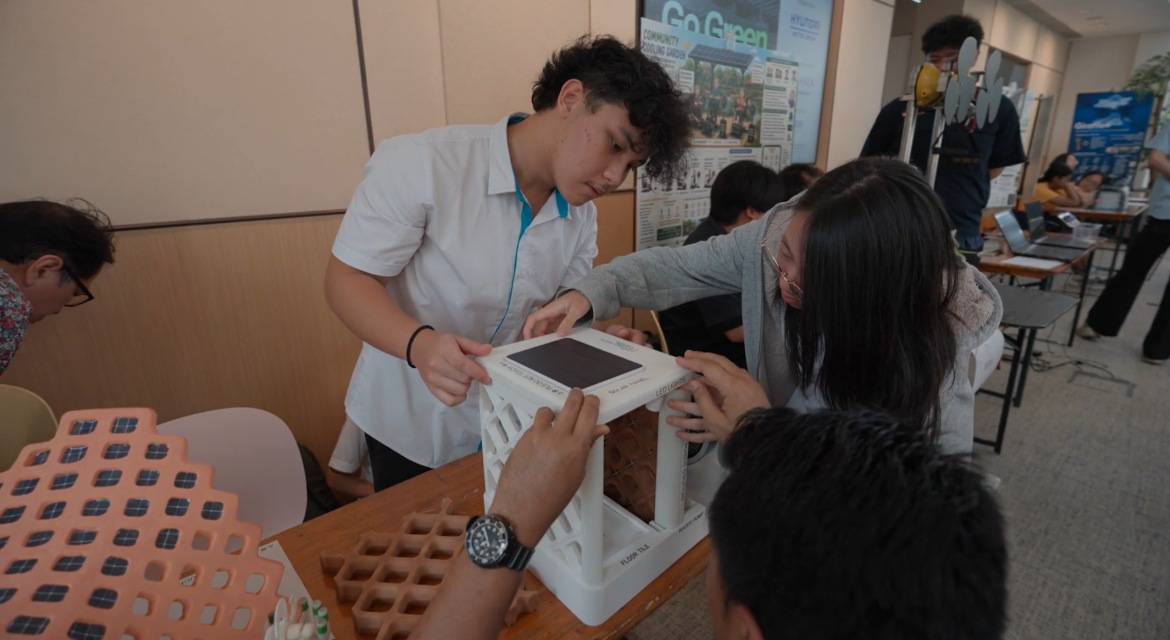
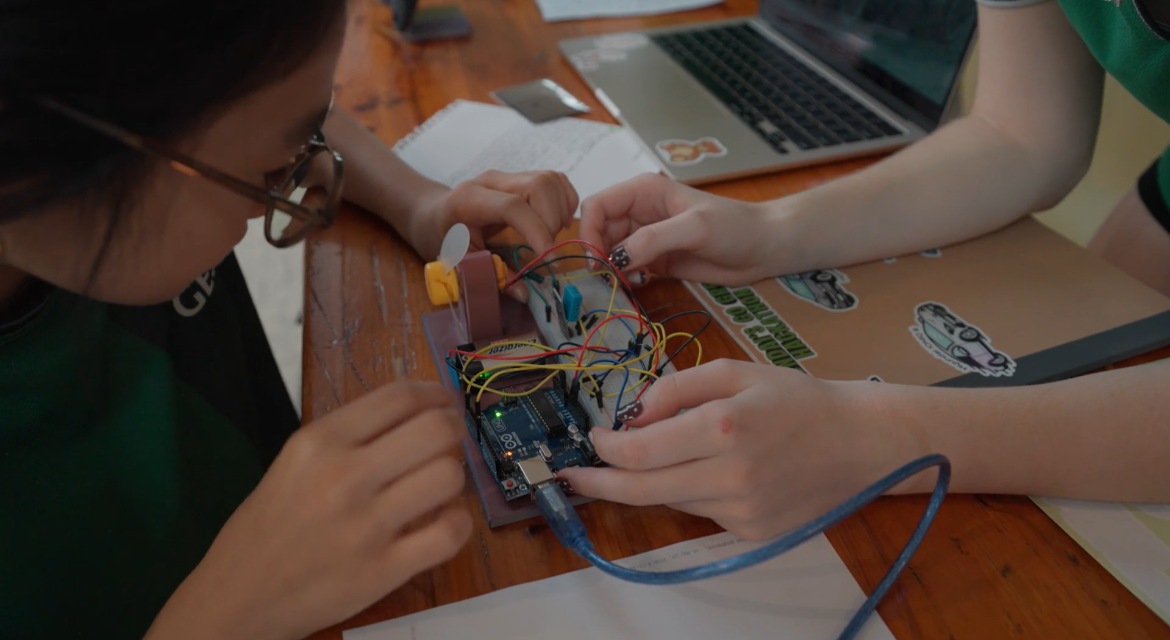
Each edition aims to solve a different problem. In 2025, students spent 13 weeks designing ways to improve the passenger experience for people with diverse needs, building prototypes with 3D printers and laser cutters at the National Library Board’s MakeIT spaces. This year’s theme, “Go Green: Climate Adaptation,” pointed at something closer to home.
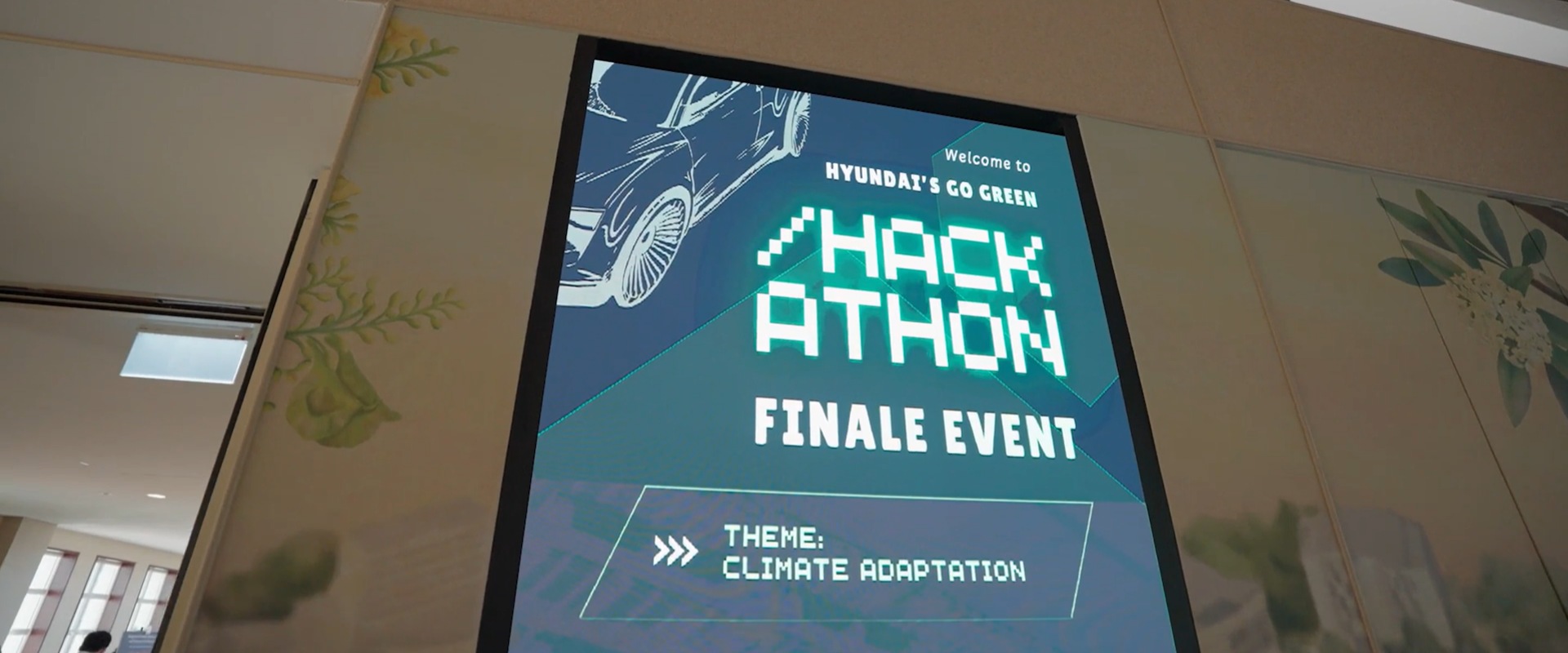
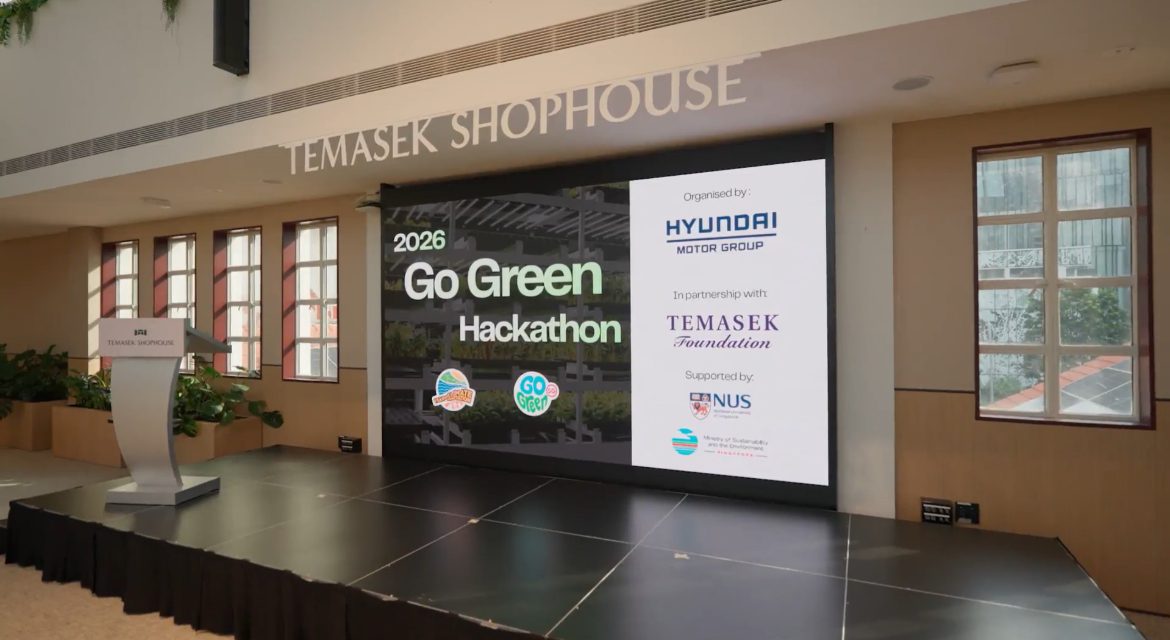
Singapore has declared climate adaptation a national priority, and its Third National Climate Change Study underscores how quickly the risks are growing. The 2026 Hackathon ran as part of the Ministry of Sustainability and the Environment’s Go Green SG 2026, in partnership with Temasek Foundation and with support from the National University of Singapore (NUS).
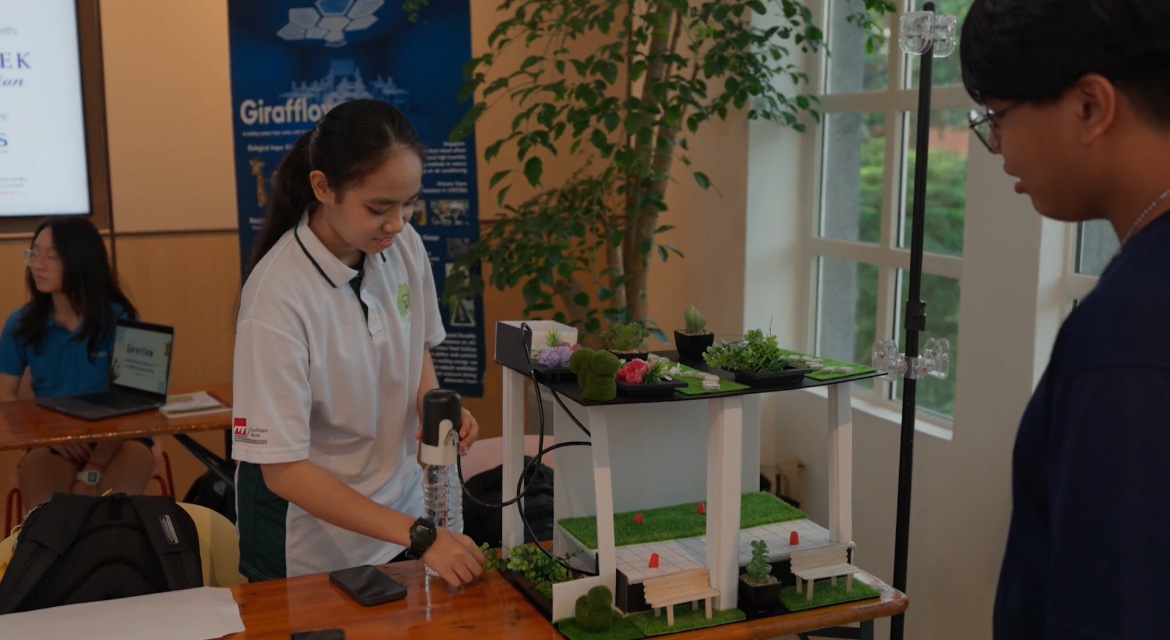
Over two months, 91 students aged 14 to 23, in 25 teams from nine local and international schools, took on one of two problem statements. The first asked them to reimagine multi-purpose community spaces that also help residents cope with extreme heat. The second asked for smart car-based solutions that turn vehicles into mobile safe spaces during heatwaves, floods and air quality emergencies.
The boy in the film, it turns out, wasn’t far off with his “car shield” idea.
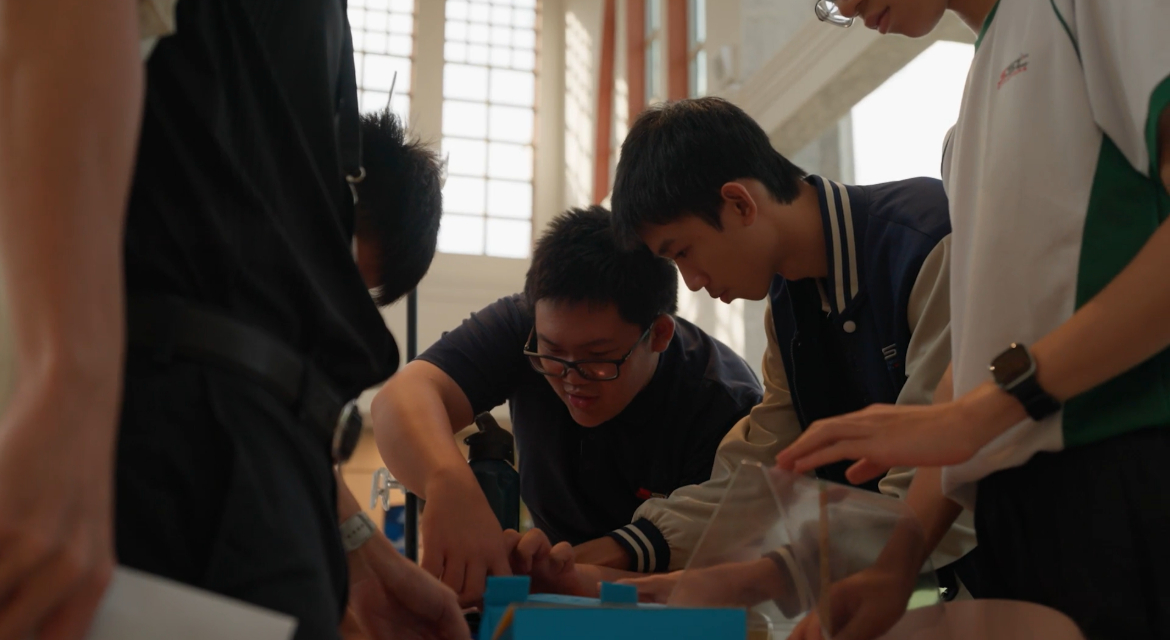
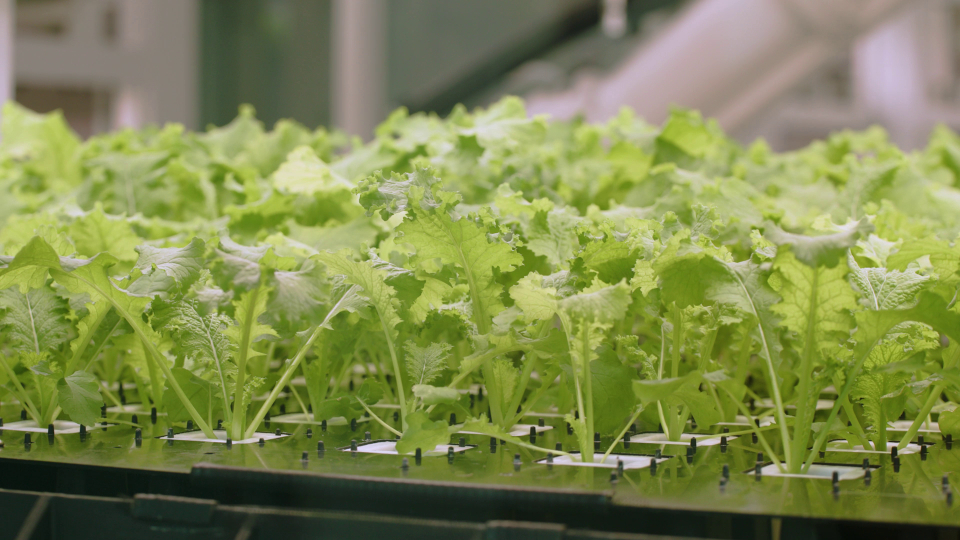
Before designing anything, students went looking for context. At HMGICS, they toured the smart farm and took a VR tour through a smart factory. At the National Environment Agency’s Centre for Climate Research Singapore, they saw how weather and climate data feed national planning. At Gardens by the Bay, they studied how infrastructure design and cooling systems can reduce on-site heat.
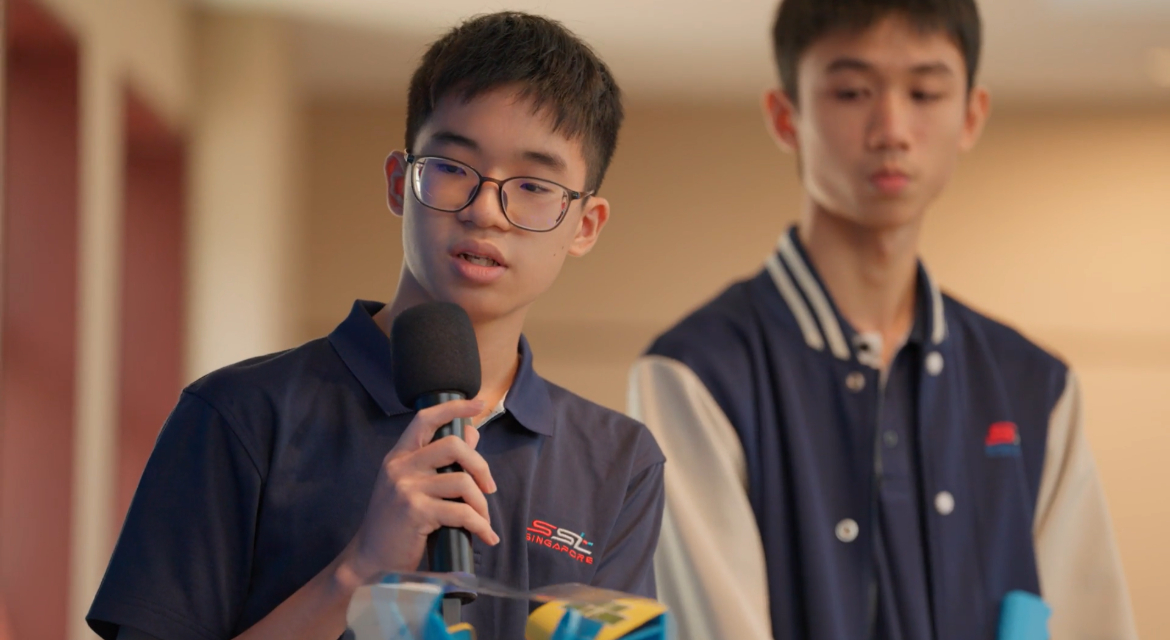
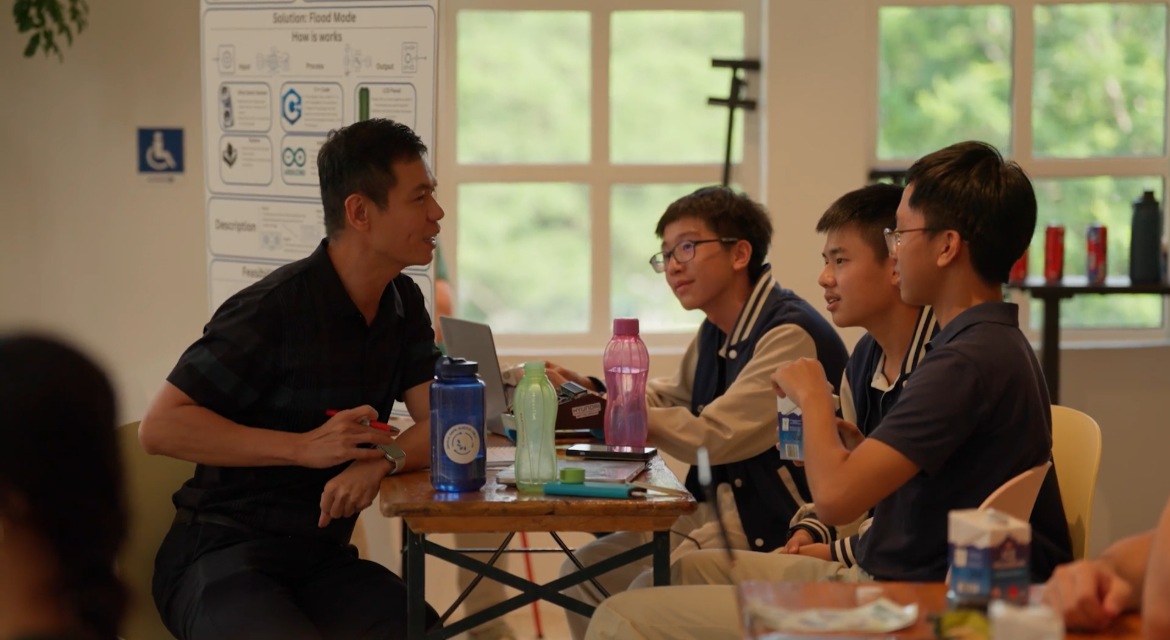
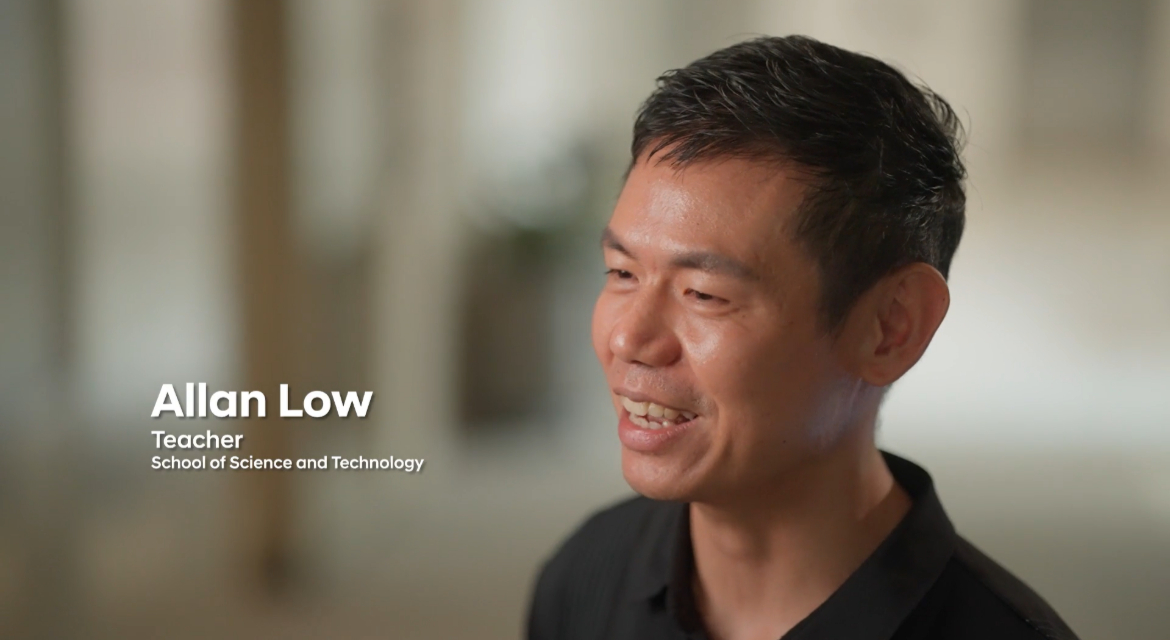
The bar has risen with each edition. Allan Low, teacher at the School of Science and Technology joining for the second time, noticed the difference. “The experience that I felt this year is slightly more stressful. The problem statements became more complex,” he says. “I think this is necessary. We hope students will have the experience to handle such complex problems when they graduate.”
What students don’t get is a solution handed to them. Mentors from HMGICS, Hyundai CRADLE and NUS work alongside each team from first sketch to final pitch, but the ideas stay the students’ own.
“Our role at HMGICS and Hyundai CRADLE is really to provide a bit of steer,” says Ted Kim, Head of Operation at Hyundai CRADLE Singapore, “helping the students really navigate their way through the creative approaches that they would take.”
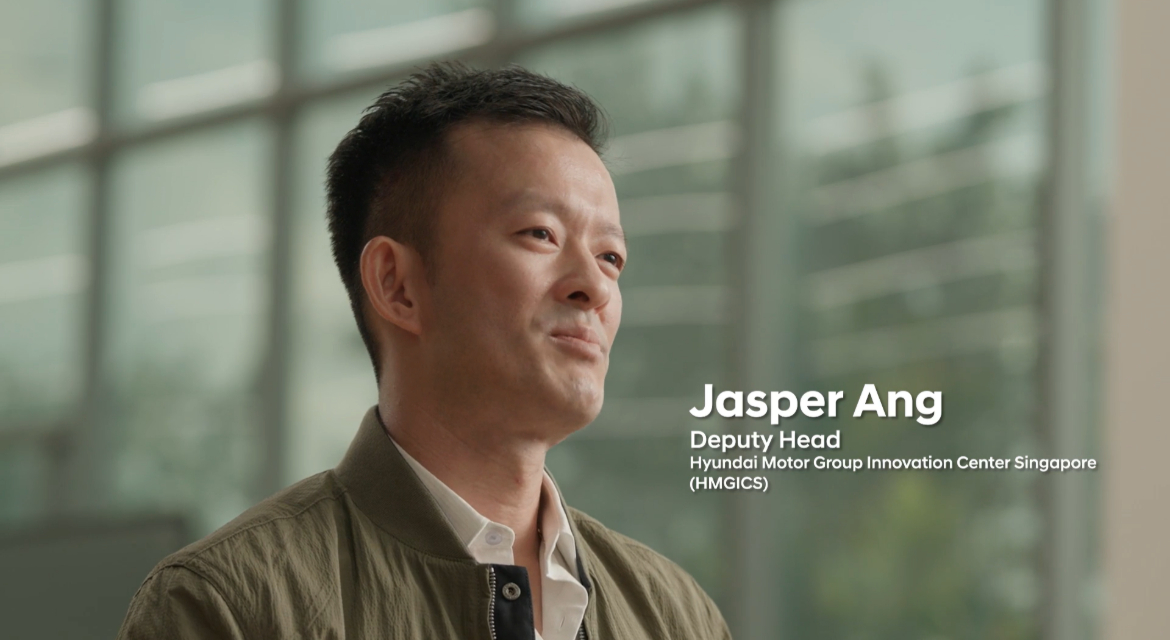
Jasper Ang, Deputy Head at HMGICS, describes the goal as exposure to how innovation works outside a classroom. “Students work hand in hand with our HMGICS mentors to experience what innovation really looks like on the ground,” he says.
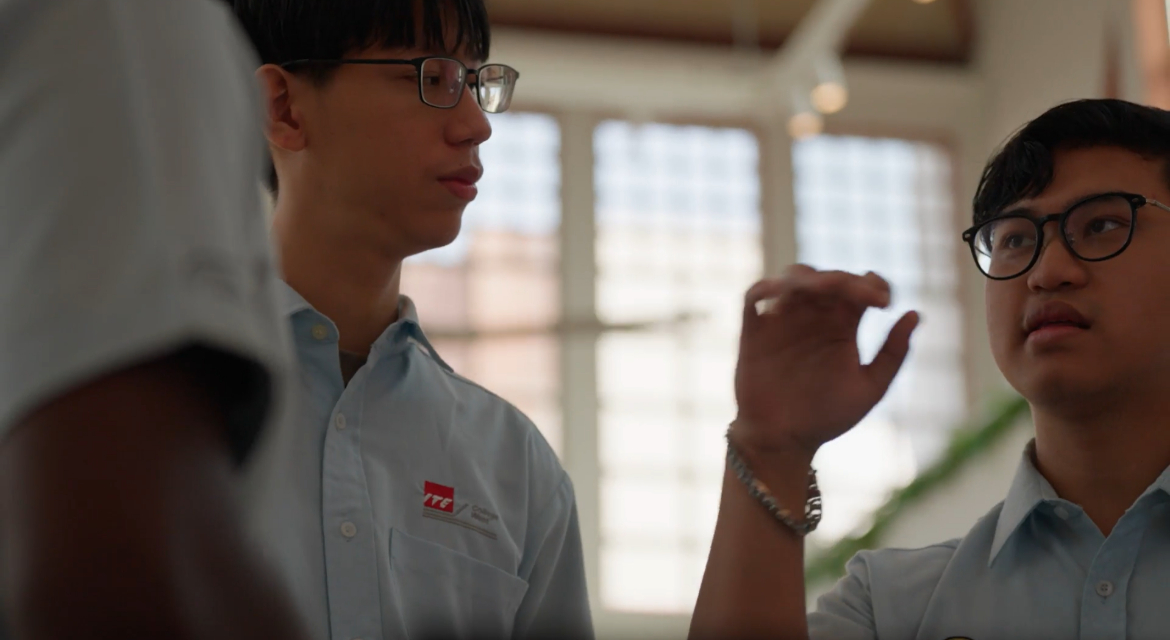
For Aqil, who studies at ITE College Central, that guidance was practical. “They helped us actually solidify our idea,” he says. “They helped us with presenting as well, trying to get our thoughts through.”
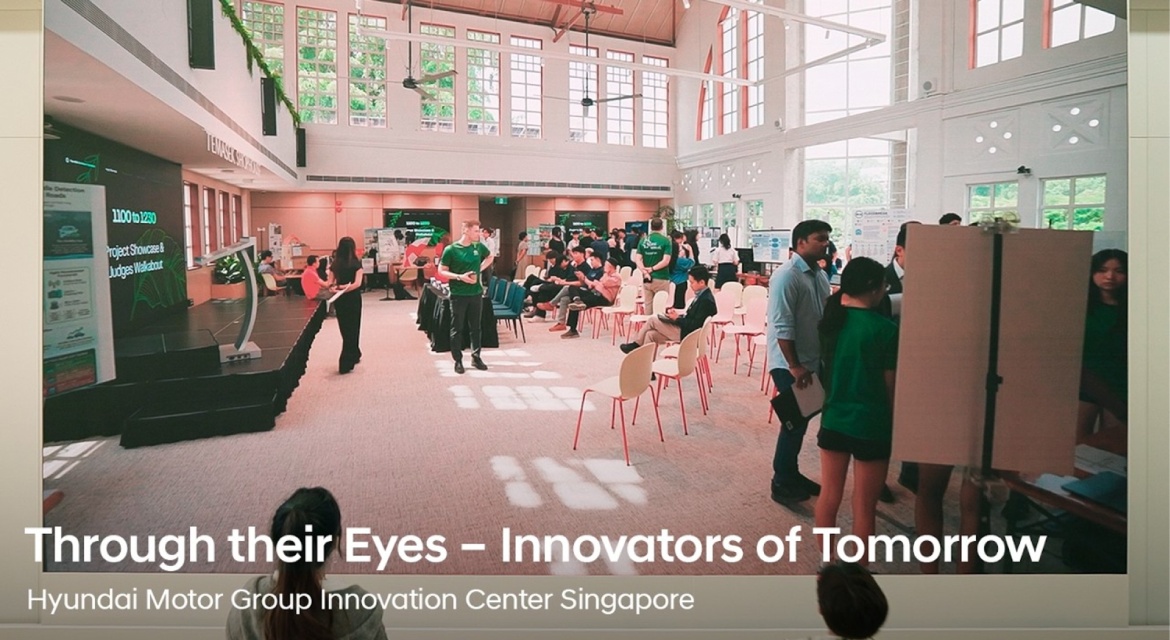
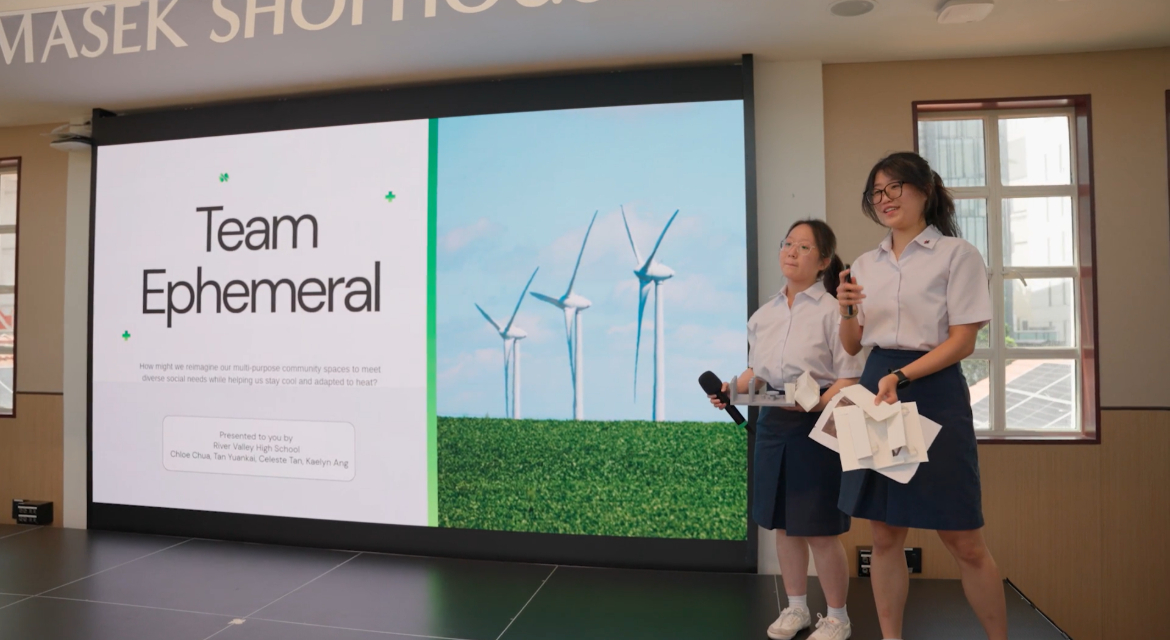
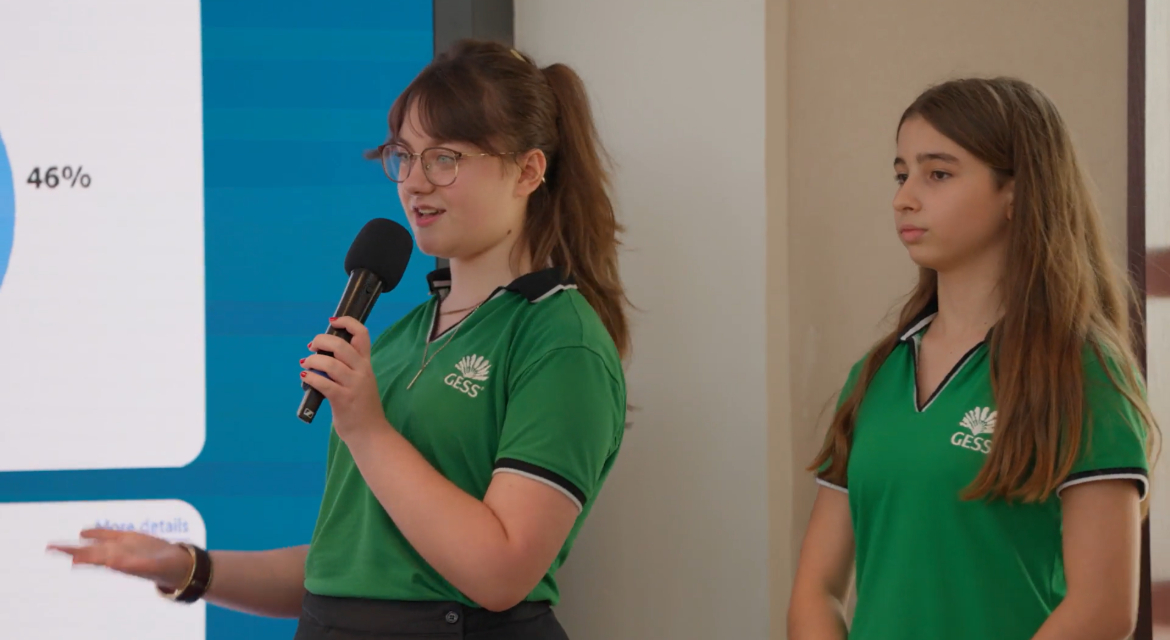
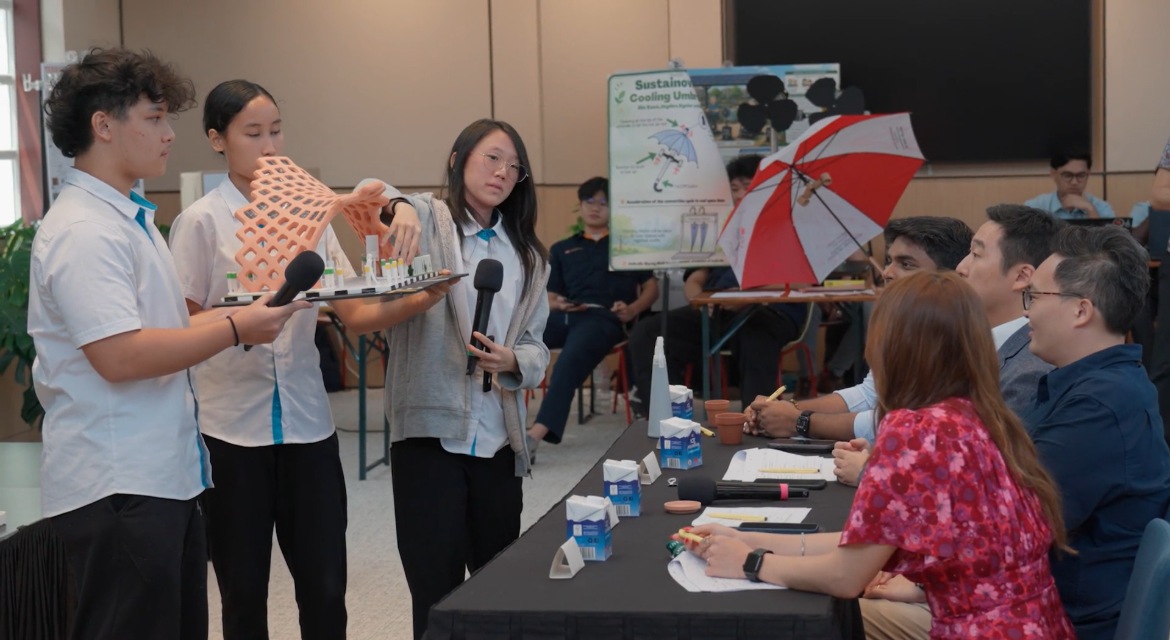
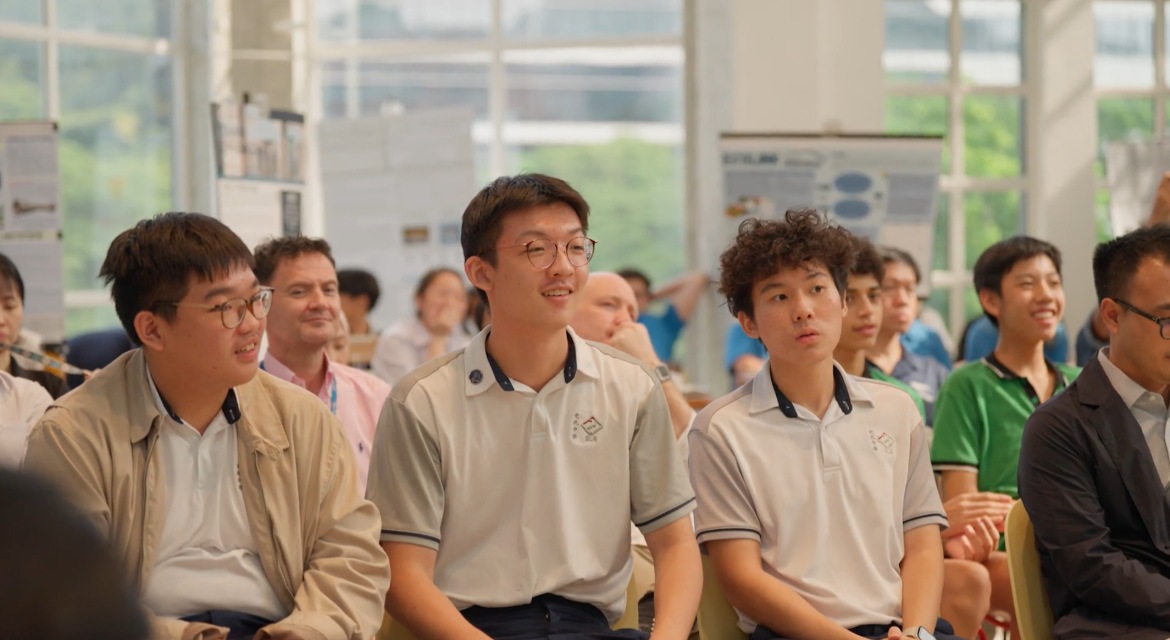
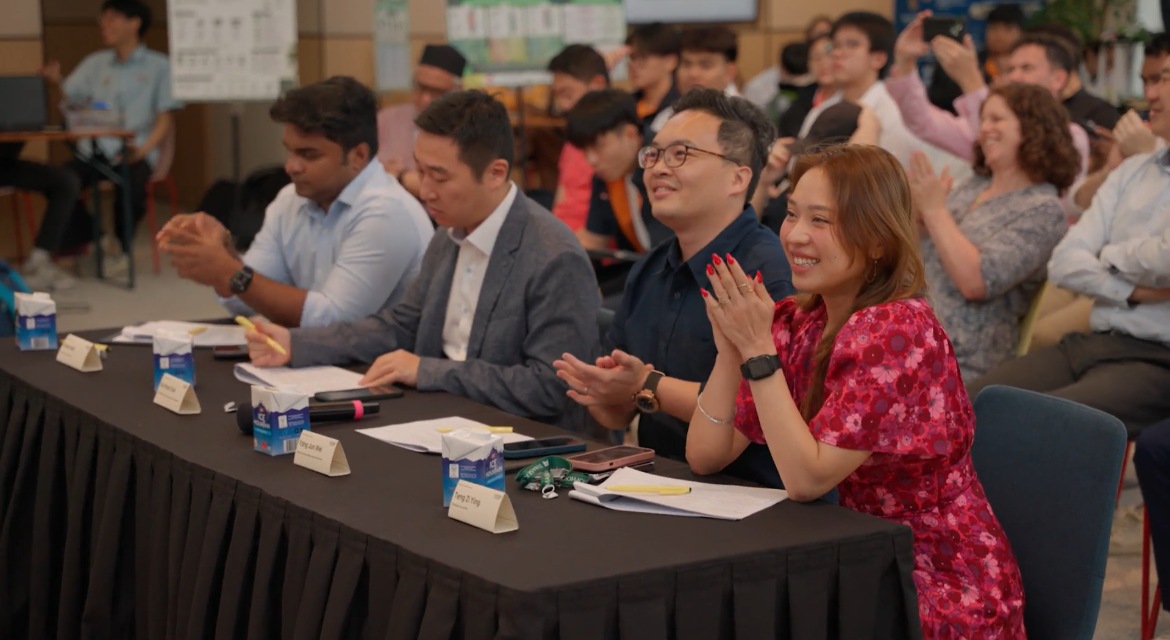
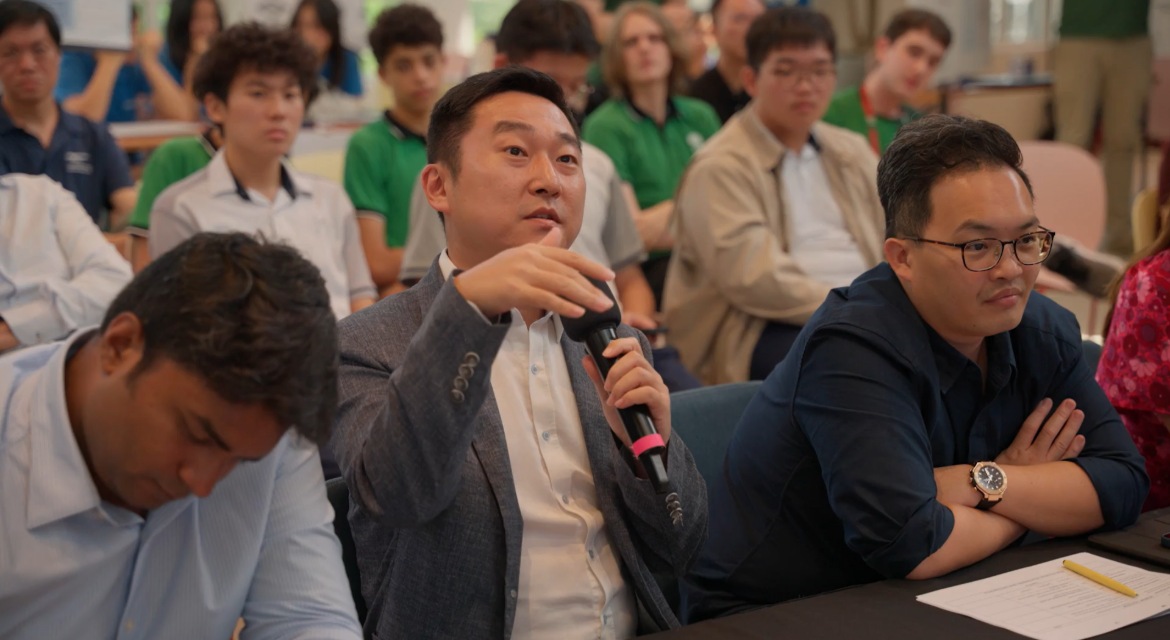
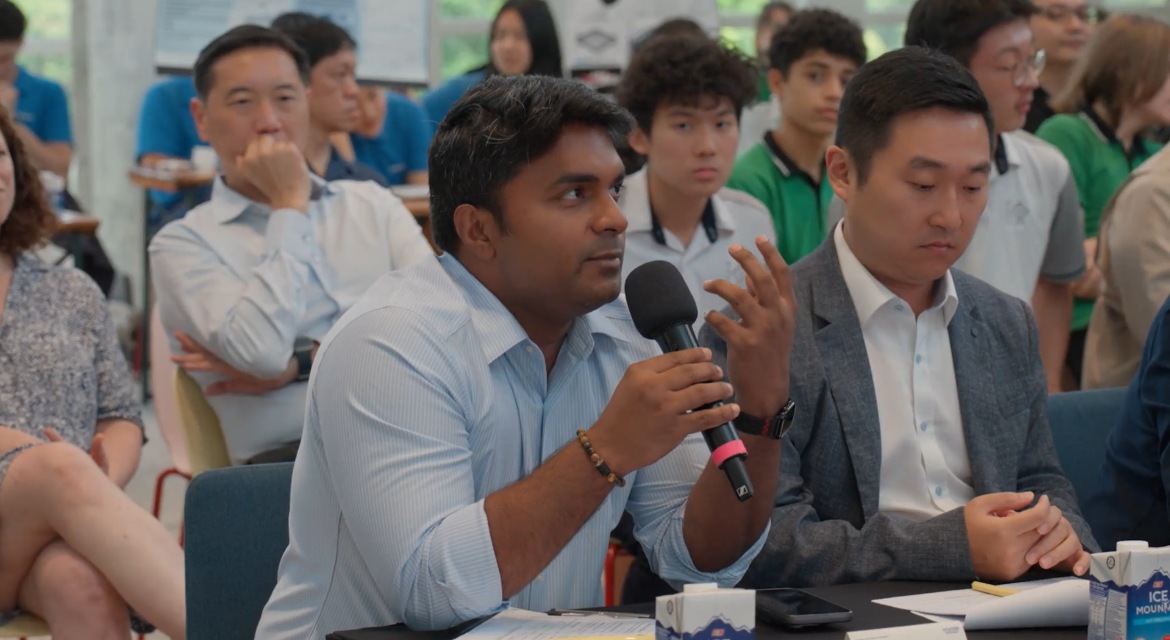
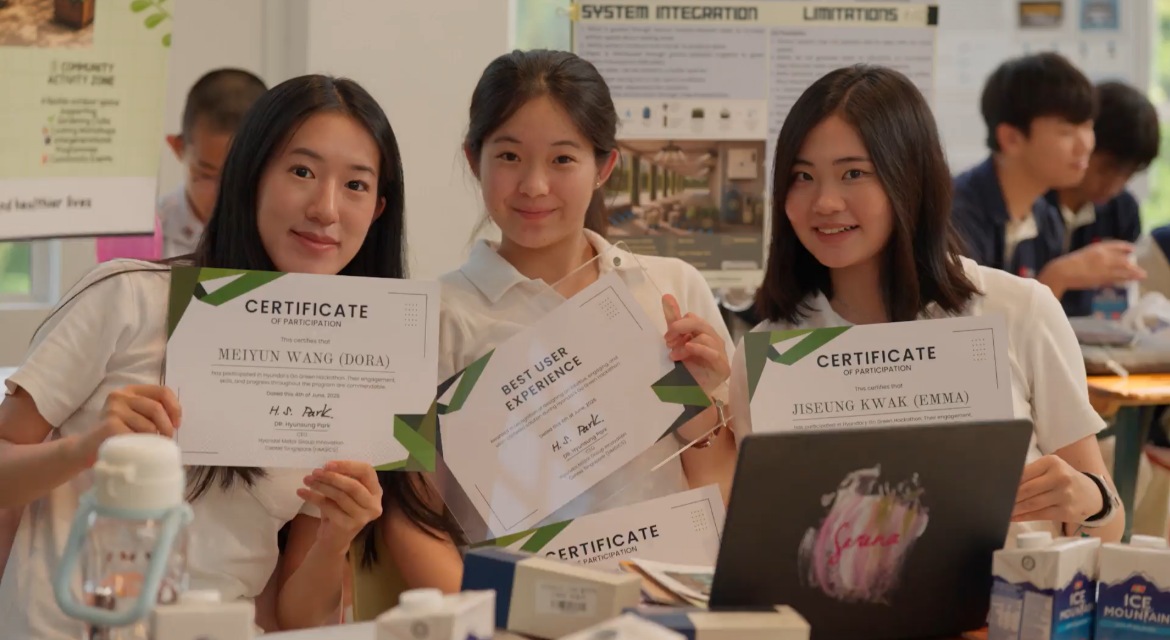
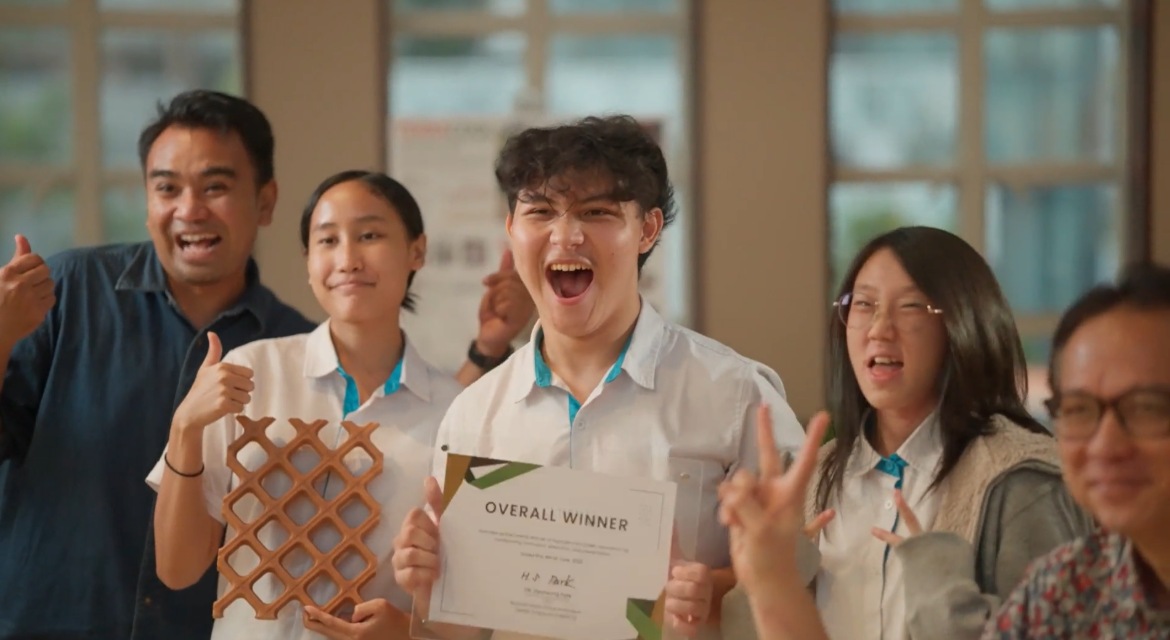
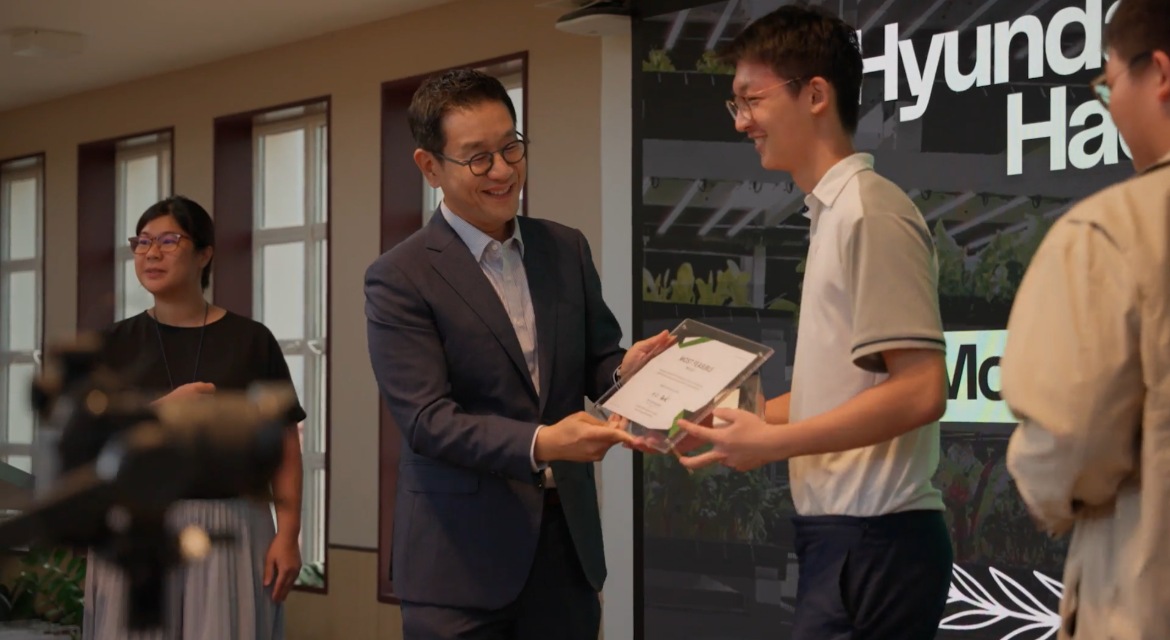
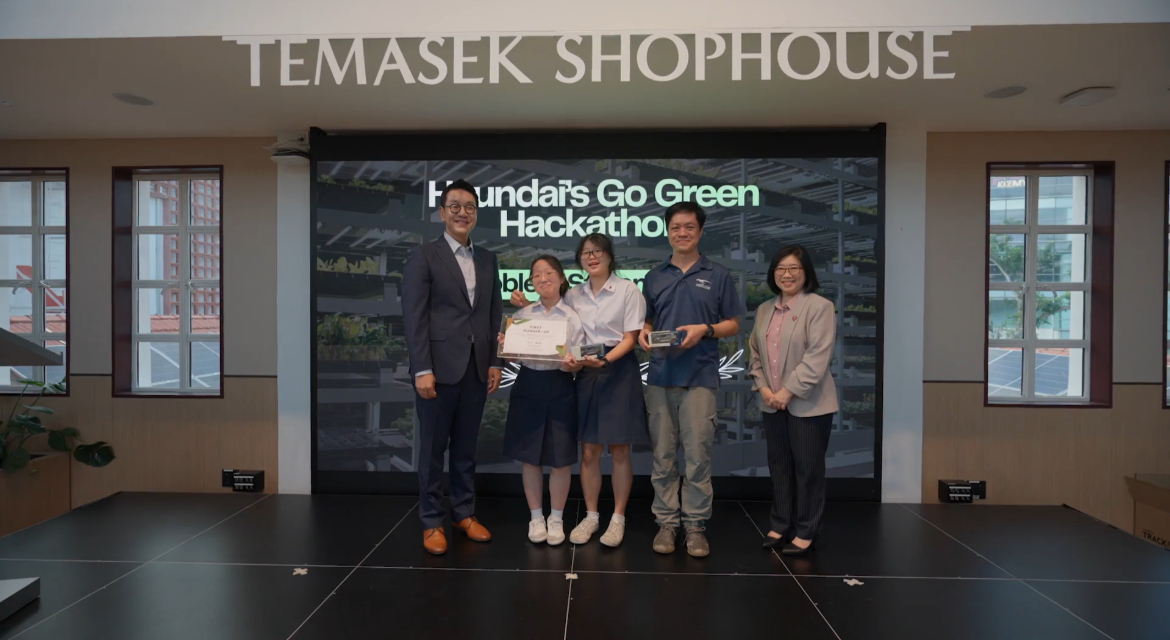
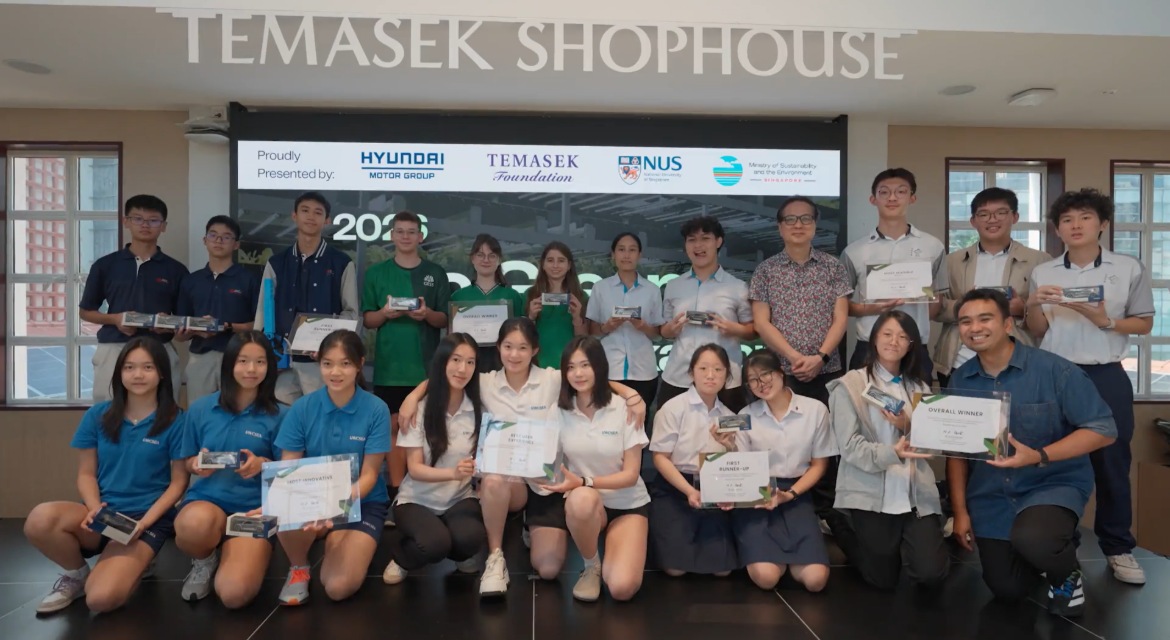
The effort came to a head at the finale on June 4, held for the first time at Temasek Shophouse. Judges scored each team on relevance, feasibility, creativity and impact. For the community spaces challenge, Team HeatSync from ITE College Central took first place, with River Valley High School’s Team Ephemeral second. For the car-based challenge, Team License to Chill from German European School Singapore took first, followed by Team WD-40 from the School of Science and Technology. Three more teams, from UWC Southeast Asia’s East campus and Boon Lay Secondary School, won special awards for innovation, user experience and feasibility.
Kaelyn, a student from River Valley High School’s Ephemeral team, didn’t see it coming. “I did not expect our team to win at all,” she says. “Not to say that we weren’t putting in effort, but we thought there was really good competition.”
Aqil felt the result as a reward for weeks of late nights. “Once I heard our team called, I just felt like my efforts were all recognized,” he says, “especially after staying late nights in school and getting through with our project with my classmates, my teammates and my teachers.”

None of this year’s winning concepts will be protecting drivers from a flood next monsoon season, and nobody at HMGICS claims otherwise. A two-month student challenge isn’t an R&D program. What the Hackathon offers instead is something harder to measure: the early experience of taking a problem seriously and discovering you can do something about it.
Kaelyn put it plainly. “Knowing that we can come up with solutions really gives us a different perspective,” she says, “and small little things that even us, these random students, can do to help make a better environment for everyone.”
That shift is what the organizers are after. “As they turn into adults, hopefully they can remember this hackathon as one of the events that helped instill in them that seed of innovation,” says Ted Kim. Jasper Ang goes further: “It’s not just about finishing a project. It’s about the moment they realize, ‘I can actually build something that changes the world.’ That shift in mindset is the true outcome of this journey.”
Since 2022, more than 300 students have taken part, and HMGICS plans to bring in more local and international schools in the years ahead. The public will get a look at this year’s ideas at an exhibition held at Temasek Shophouse (Banyan Cove) on October 5 and 6.