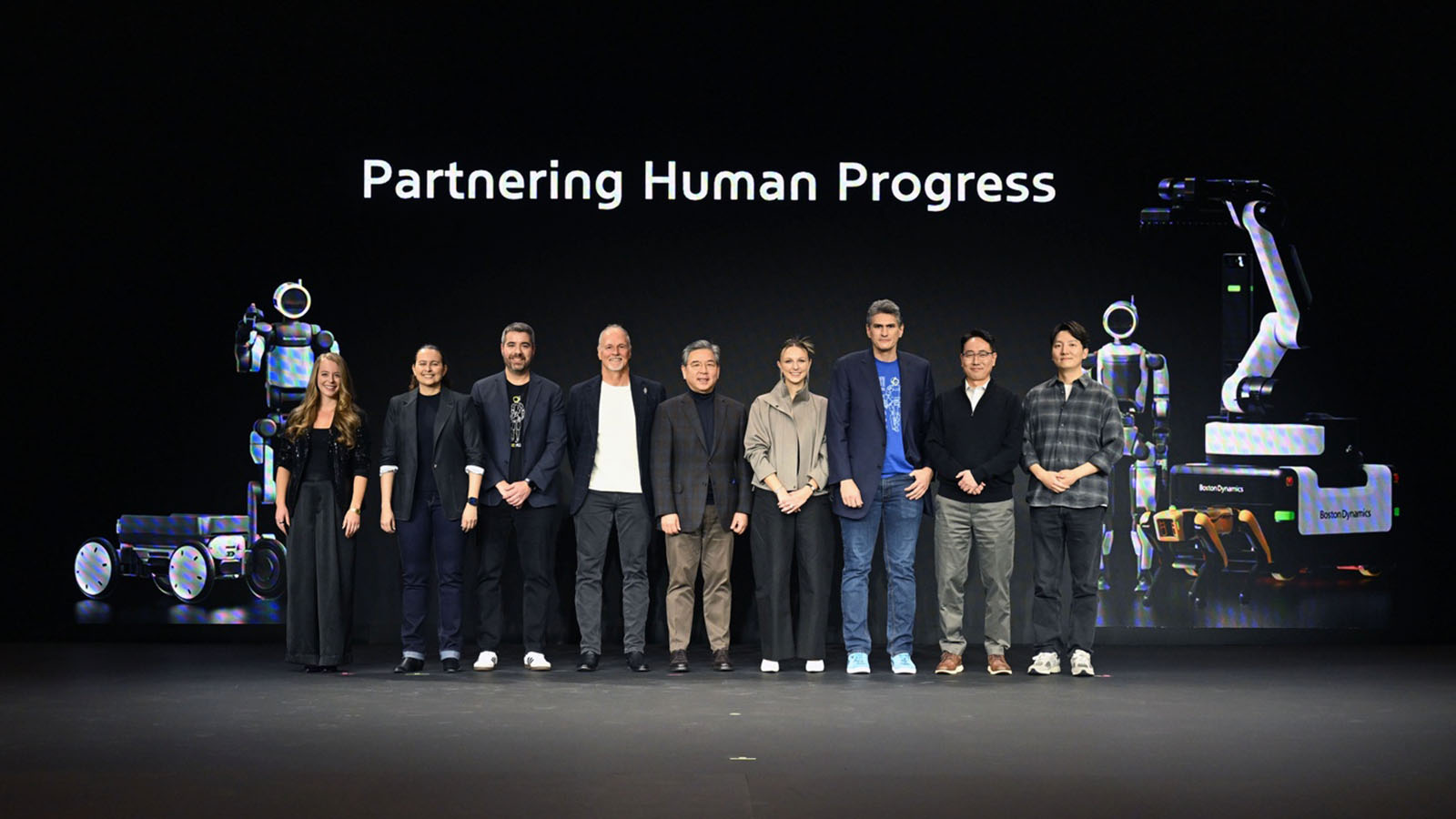
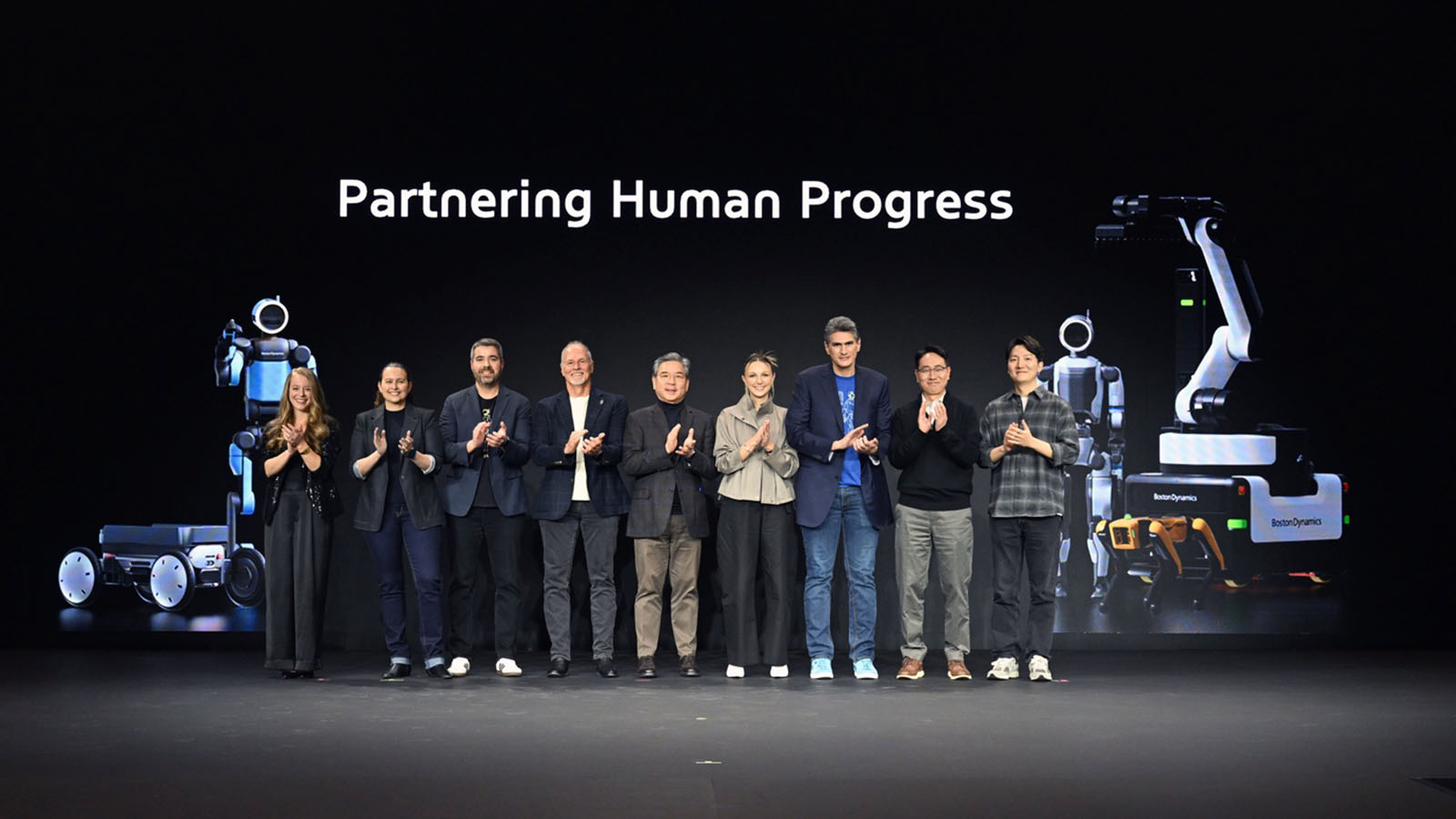
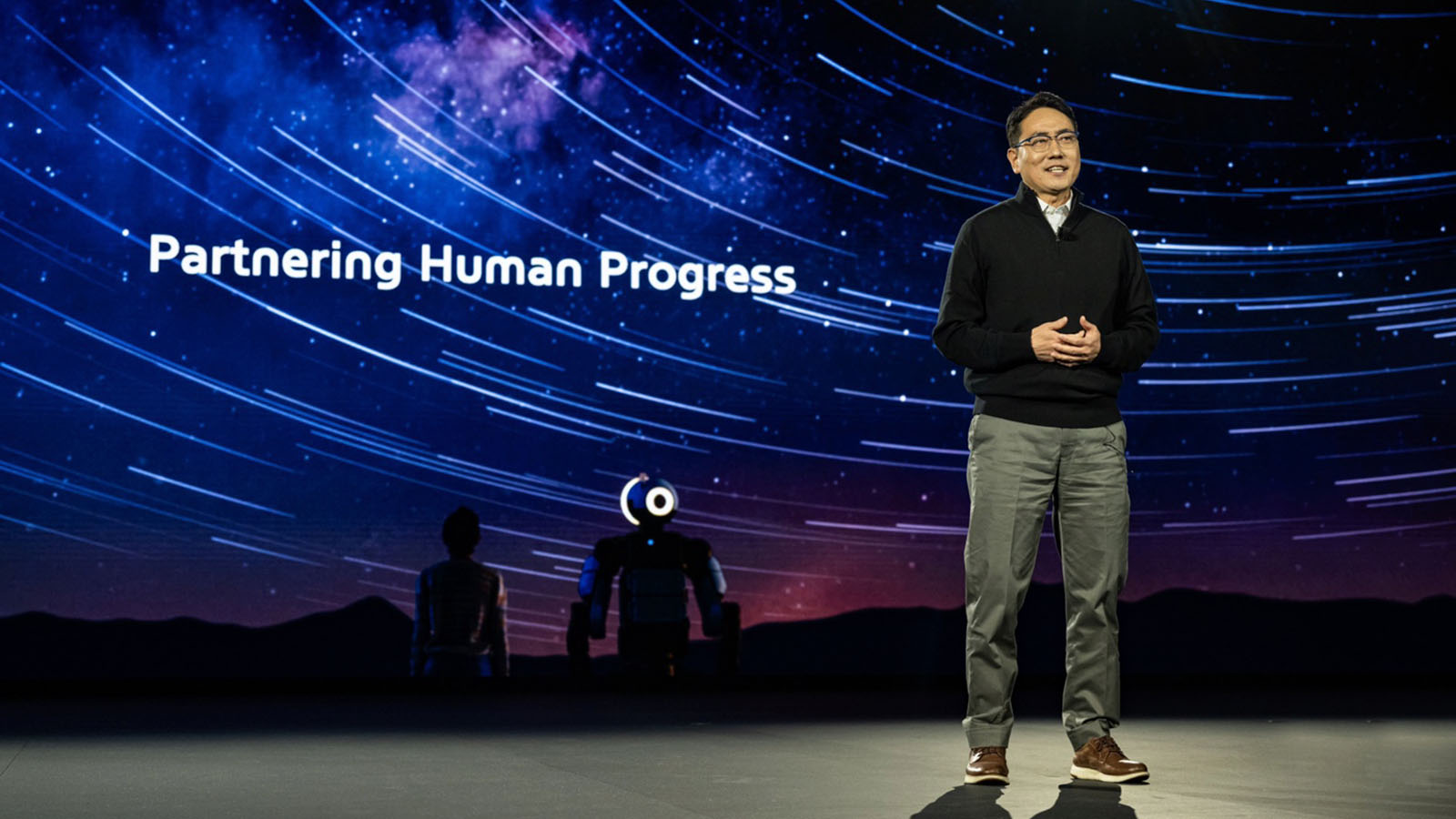
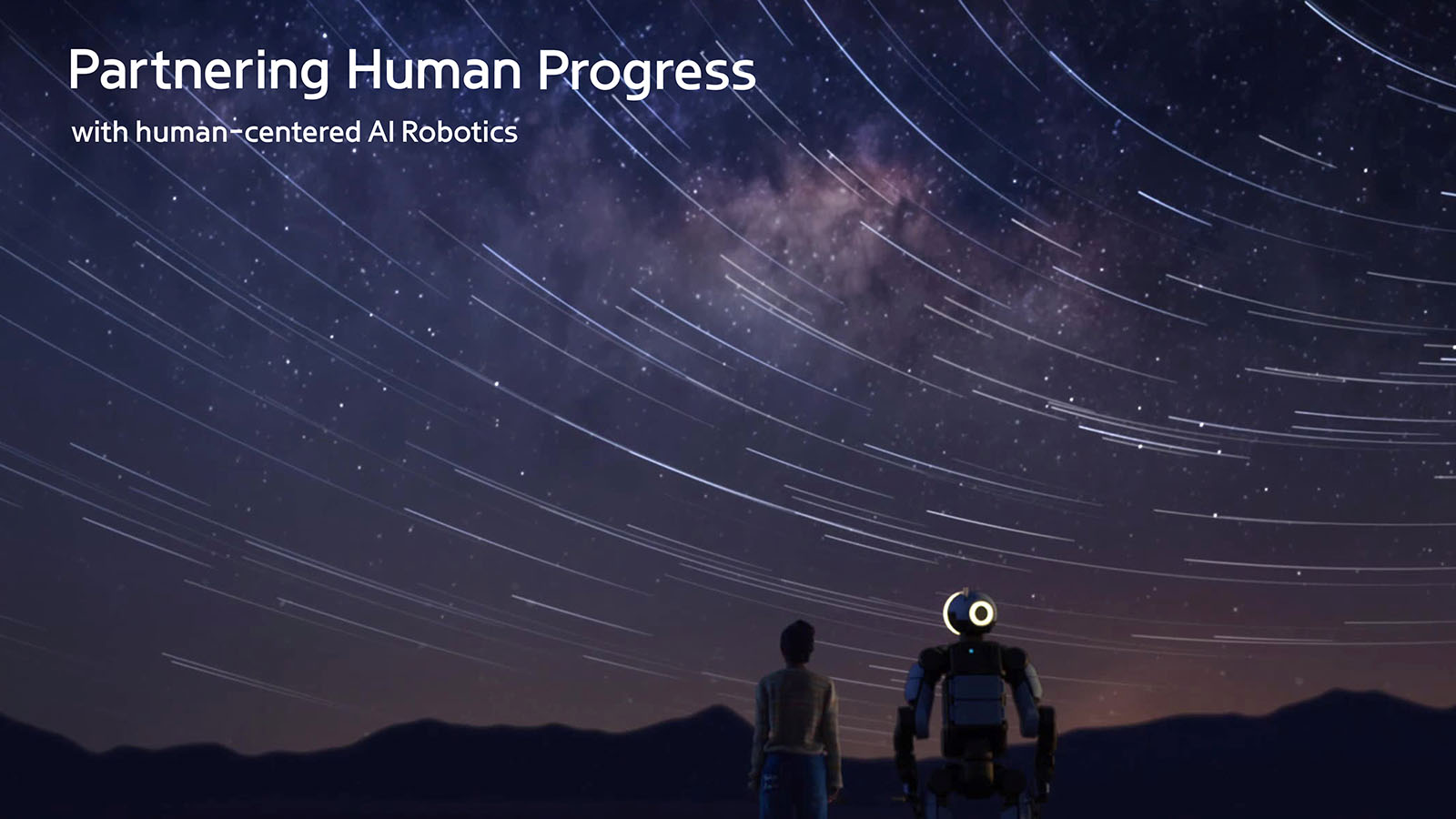
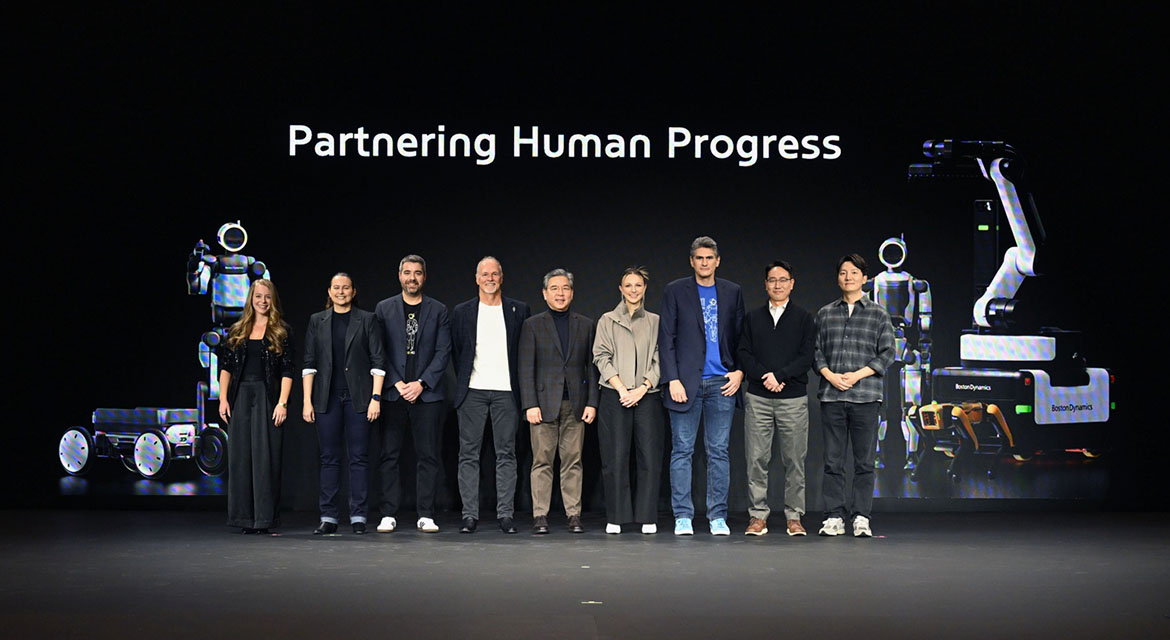
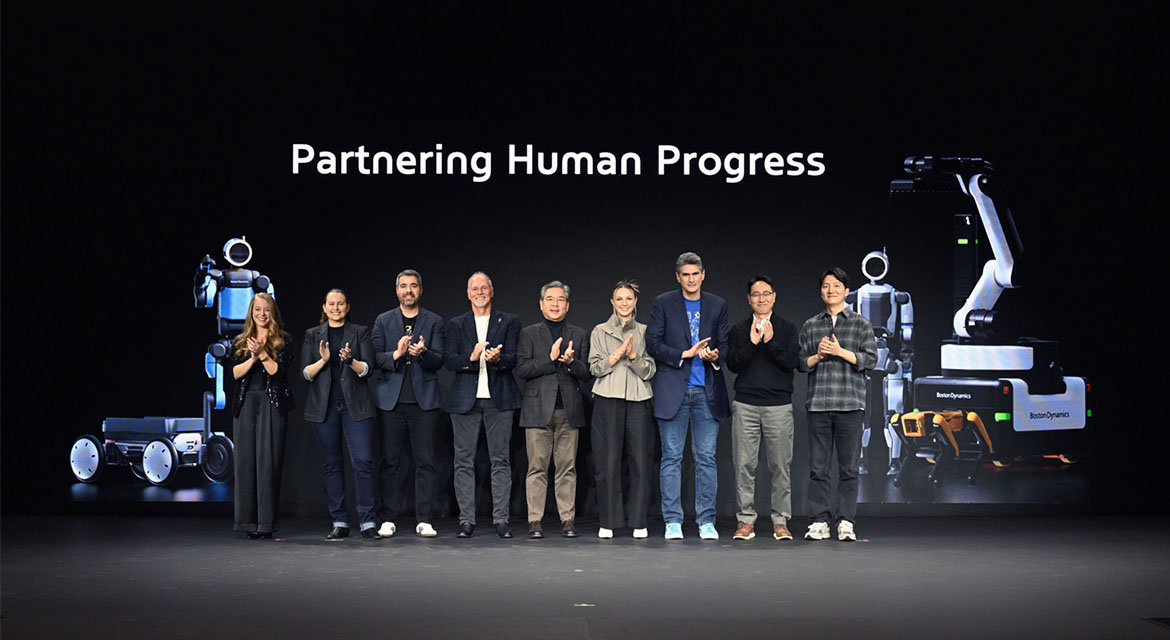
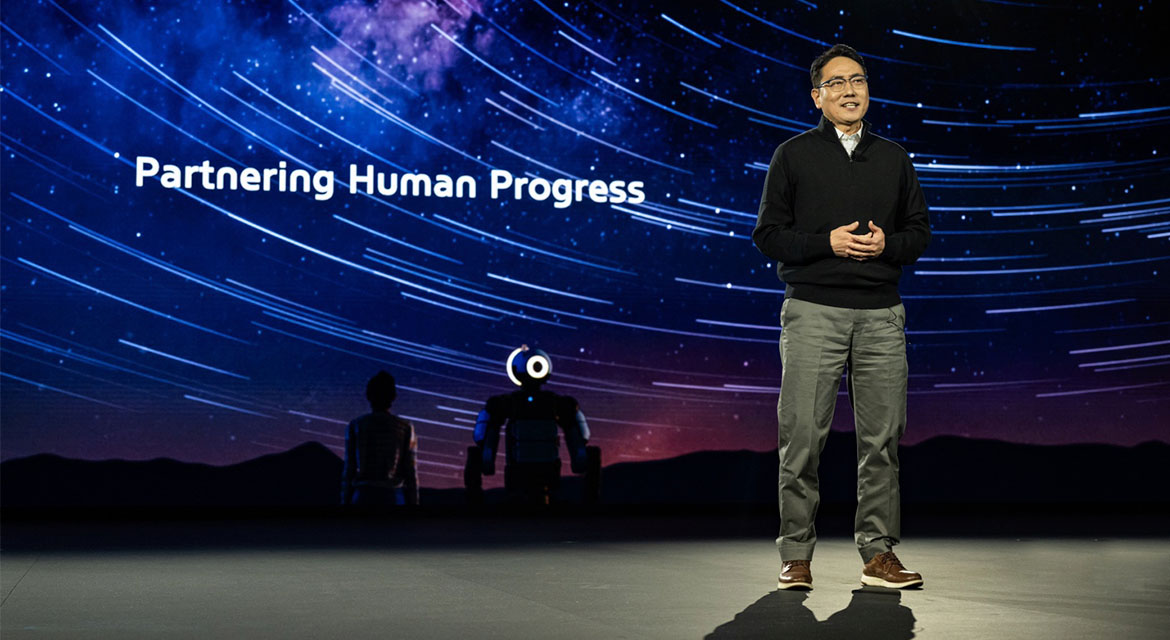
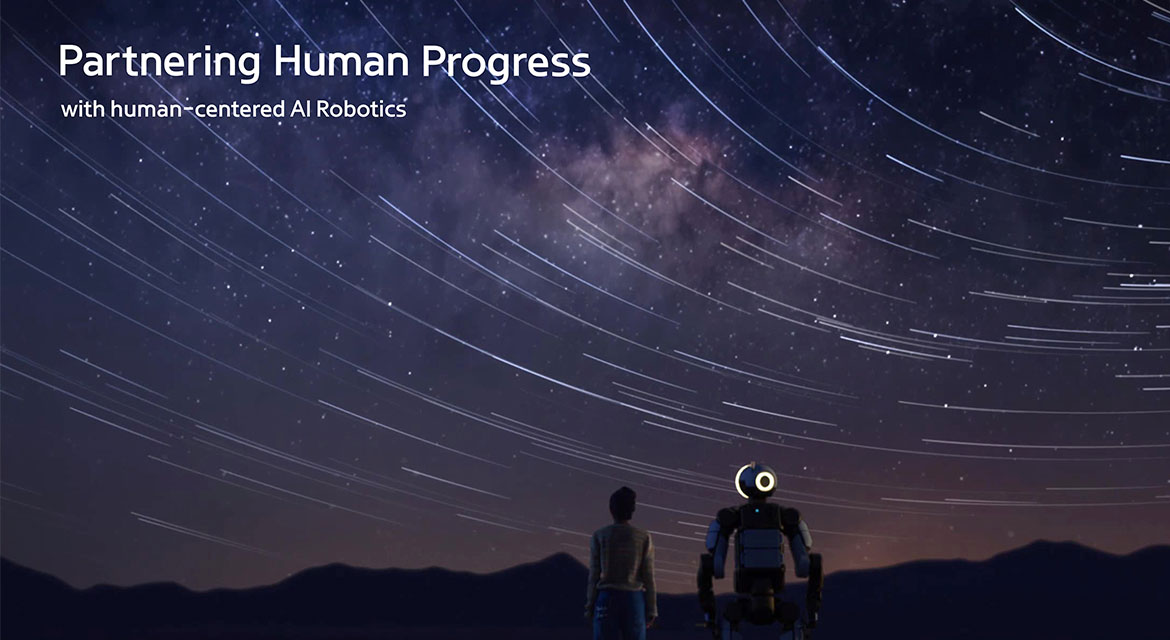
SEOUL/LAS VEGAS, January 5, 2026 – Hyundai Motor Group (the Group) today unveiled its transformative AI Robotics Strategy at the Consumer Electronics Show 2026 (CES 2026), presenting a bold roadmap for advancing human-robot collaboration under the theme ‘Partnering Human Progress’.
This year’s theme builds on its CES 2022 theme, ‘Expanding Human Reach’, evolving hardware-driven robotics into adaptive, artificial intelligence-driven robots designed to amplify human potential. At the heart of this progression is the Group’s human-centered AI Robotics, created to assist and collaborate with individuals.
To achieve this goal, the Group’s AI Robotics Strategy is underpinned by three foundational partnerships to drive progress and unlock entirely new possibilities for industry and society:
1. Partnering humans with co-working robots: Robots designed to assist and collaborate with people starting from manufacturing environments, performing hazardous and dangerous, as well as repetitive tasks.
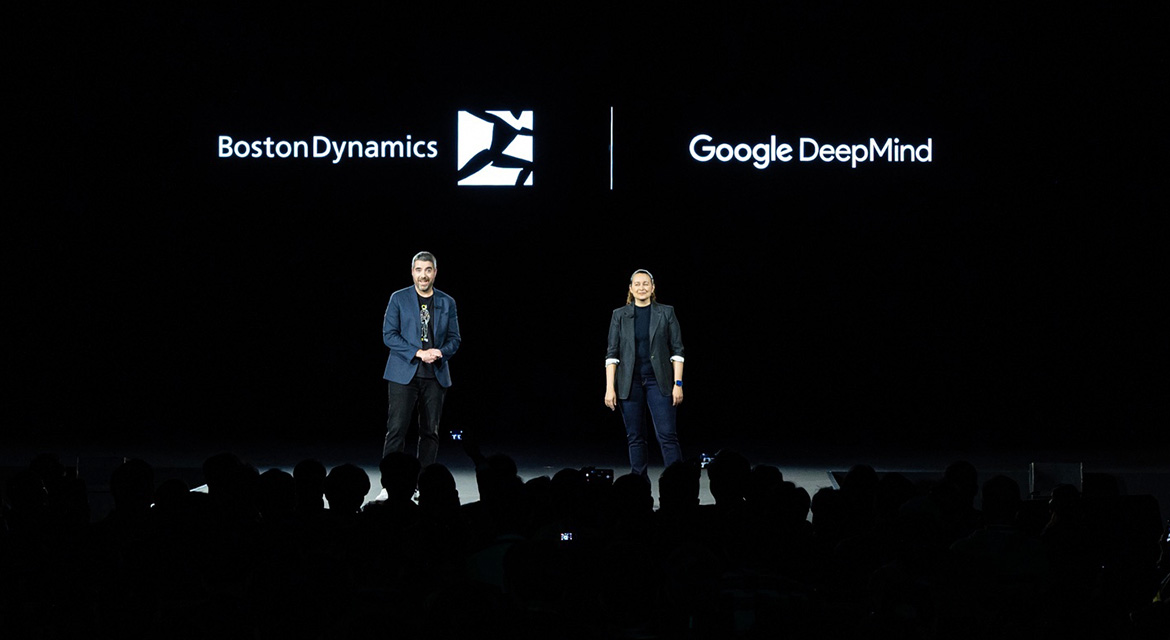
2. Partnering the Group Value Network with Boston Dynamics: Combining Boston Dynamics’ expertise in AI Robotics with Hyundai Motor Group’s global scale and manufacturing capabilities to create safe training grounds and an End-to-End (E2E) AI Robotics value chain.
3. Partnering with AI leaders: Collaborating with global AI pioneers to open new chapters in AI Robotics innovation and drive the vision of ‘Progress for Humanity’.
Based on this strategy, Hyundai Motor Group plans to position itself as a human-centric leader in the Physical AI industry by leveraging its Group-wide value chain and extensive product portfolio. Physical AI refers to the tangible realization of technologies that collect data using hardware in real-world environments to make autonomous decisions — spanning areas such as robotics, smart factories, and autonomous driving.
As the Group secures essential data for Physical AI implementation across the entire value chain — from manufacturing and logistics to sales — it will establish a cycle of continuous improvement by digitizing real-world data for AI learning, applying this to products. This approach will enable the expansion of industries from mobility to robotics.
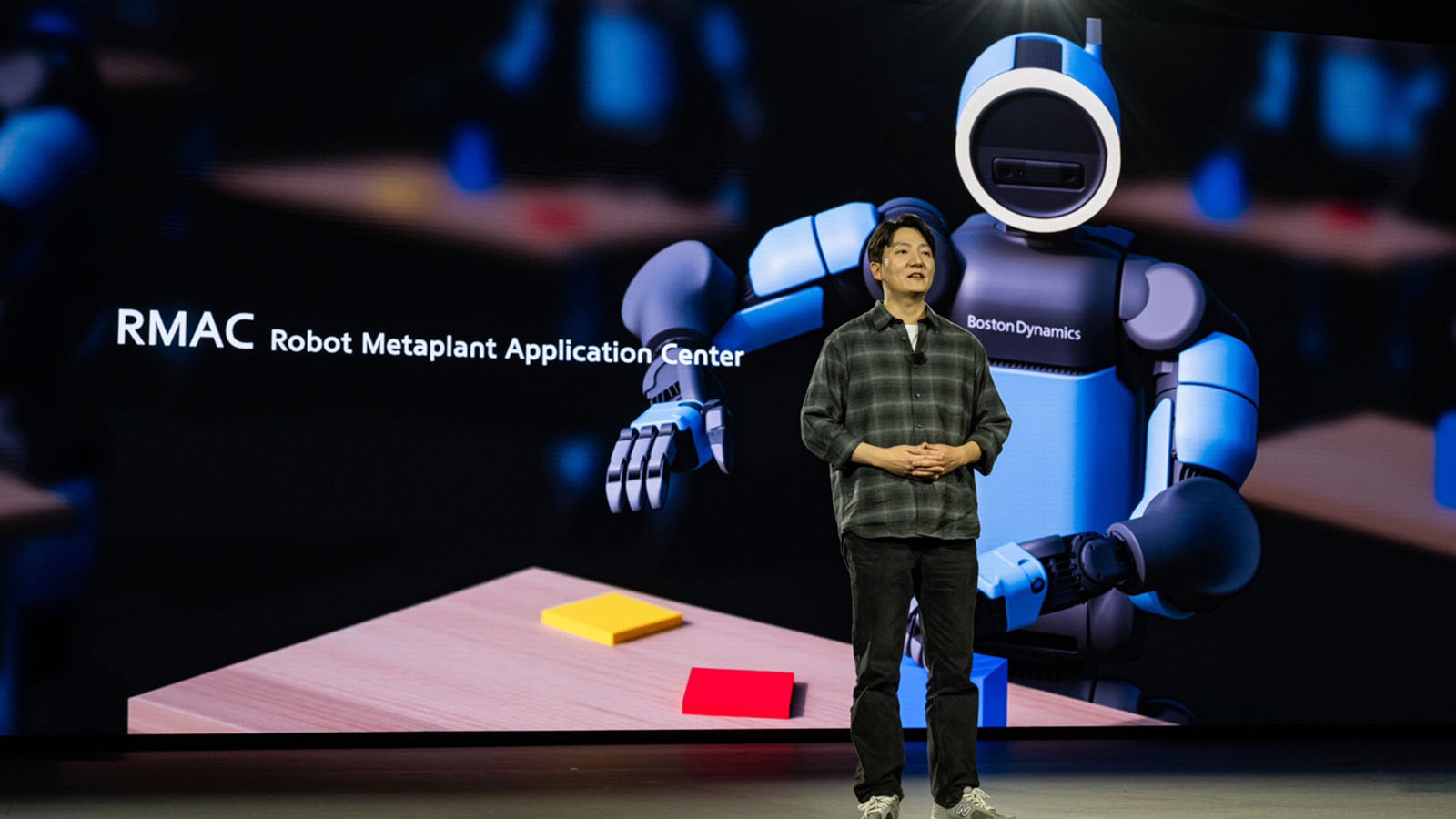
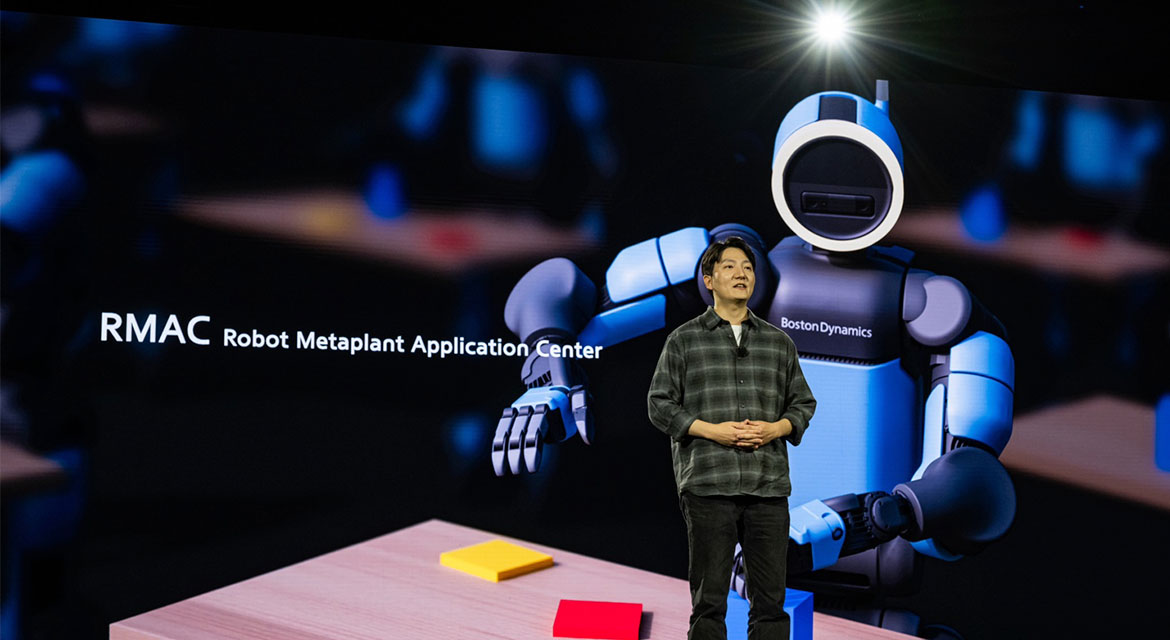
The Group will also promote the establishment of the Hyundai Motor Group Physical AI Application Center, which will play a key role in advancing the Physical AI ecosystem. In addition, the Group plans to build a robot manufacturing and foundry plant based on customized robotics technologies developed through Physical AI.
1. Partnering Humans with Co-Working Robots: Opening the Era of Human-Centered AI Robotics
Boston Dynamics has been a pioneer in pushing the boundaries of robotics for more than 30 years, inspiring millions of people worldwide with its innovations. Hyundai Motor Group has already demonstrated tangible results and scalability by deploying Boston Dynamics robots in industrial settings to enhance safety and improve efficiency.
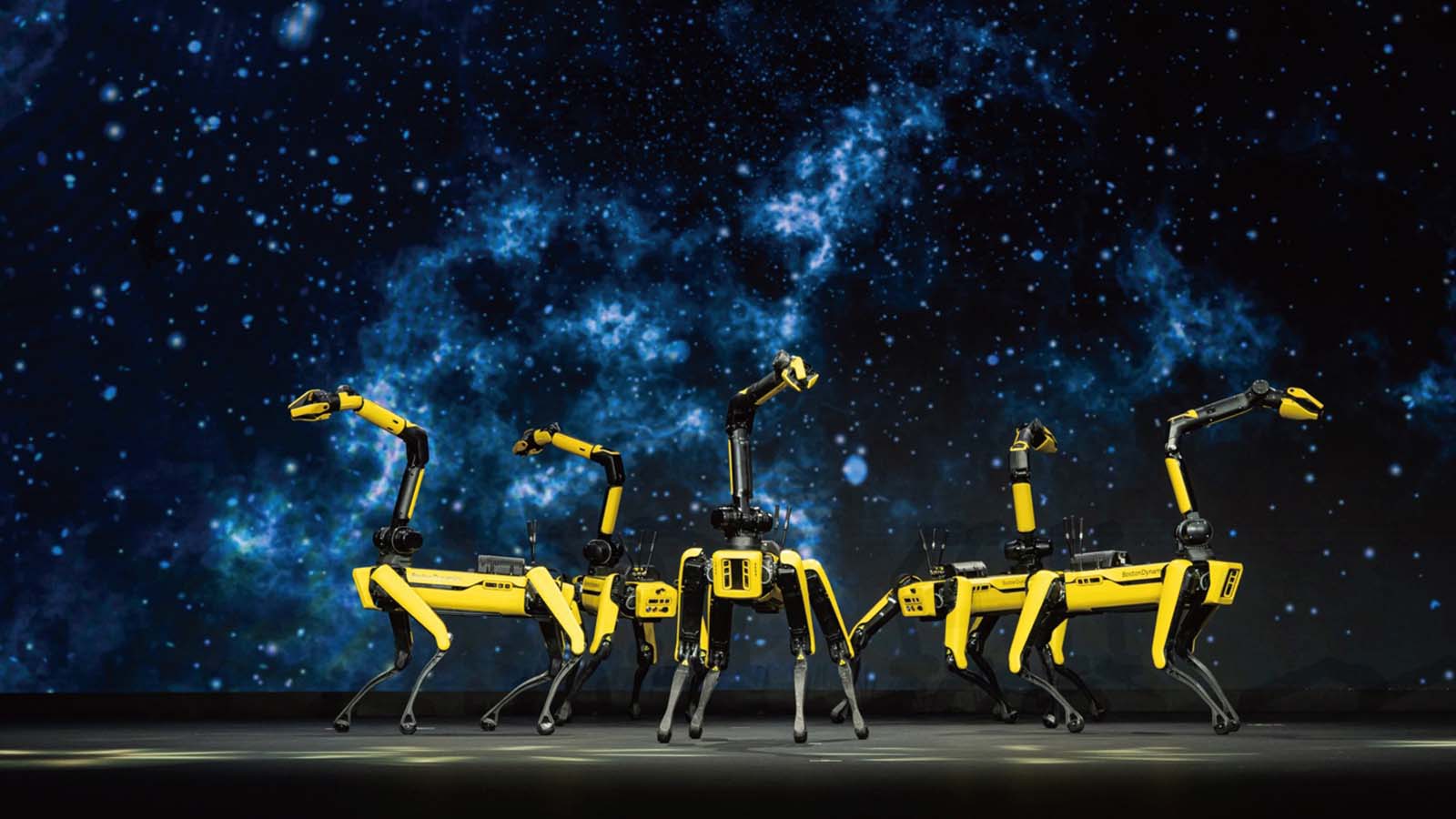
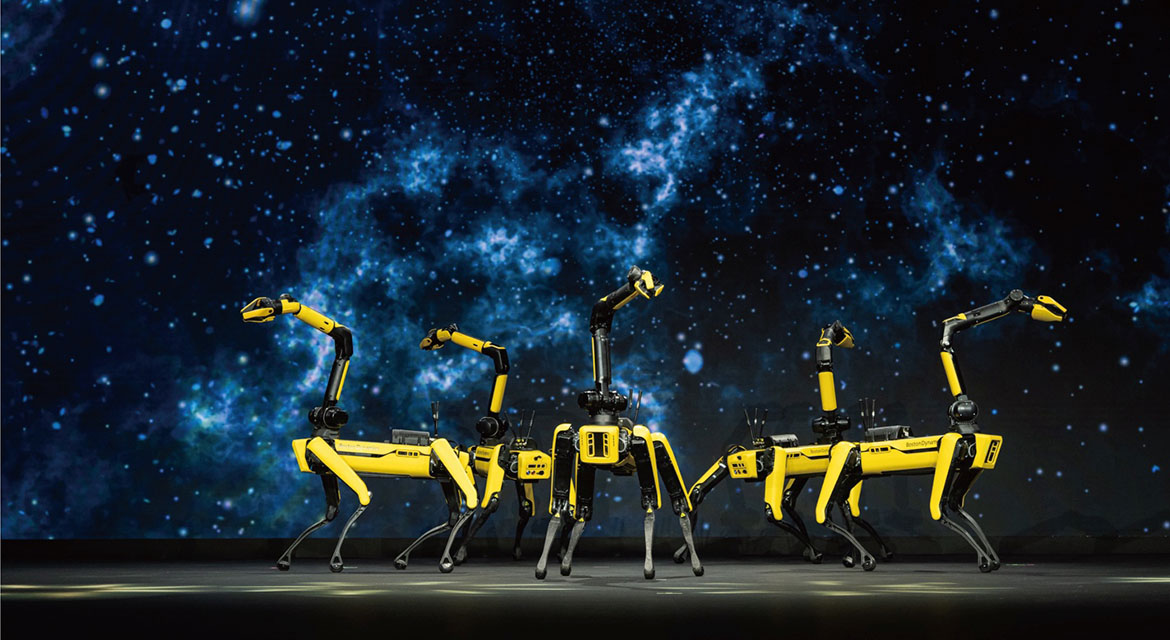
Spot, the agile quadruped, is now operational in more than 40 countries, performing critical tasks such as data collection and safety monitoring in industrial sites. And Stretch®, the warehouse robot, has unloaded more than 20 million boxes globally since its launch in 2023, transforming warehouse automation by addressing labor-heavy tasks under extreme conditions.
By combining the Group’s manufacturing data, and proven manufacturing expertise and capabilities with Boston Dynamics’ world-class R&D leadership, the Group aims to establish a safe and collaborative relationship between humans and robots, starting with manufacturing environments.
What is Boston Dynamics Atlas Robot Designed For?
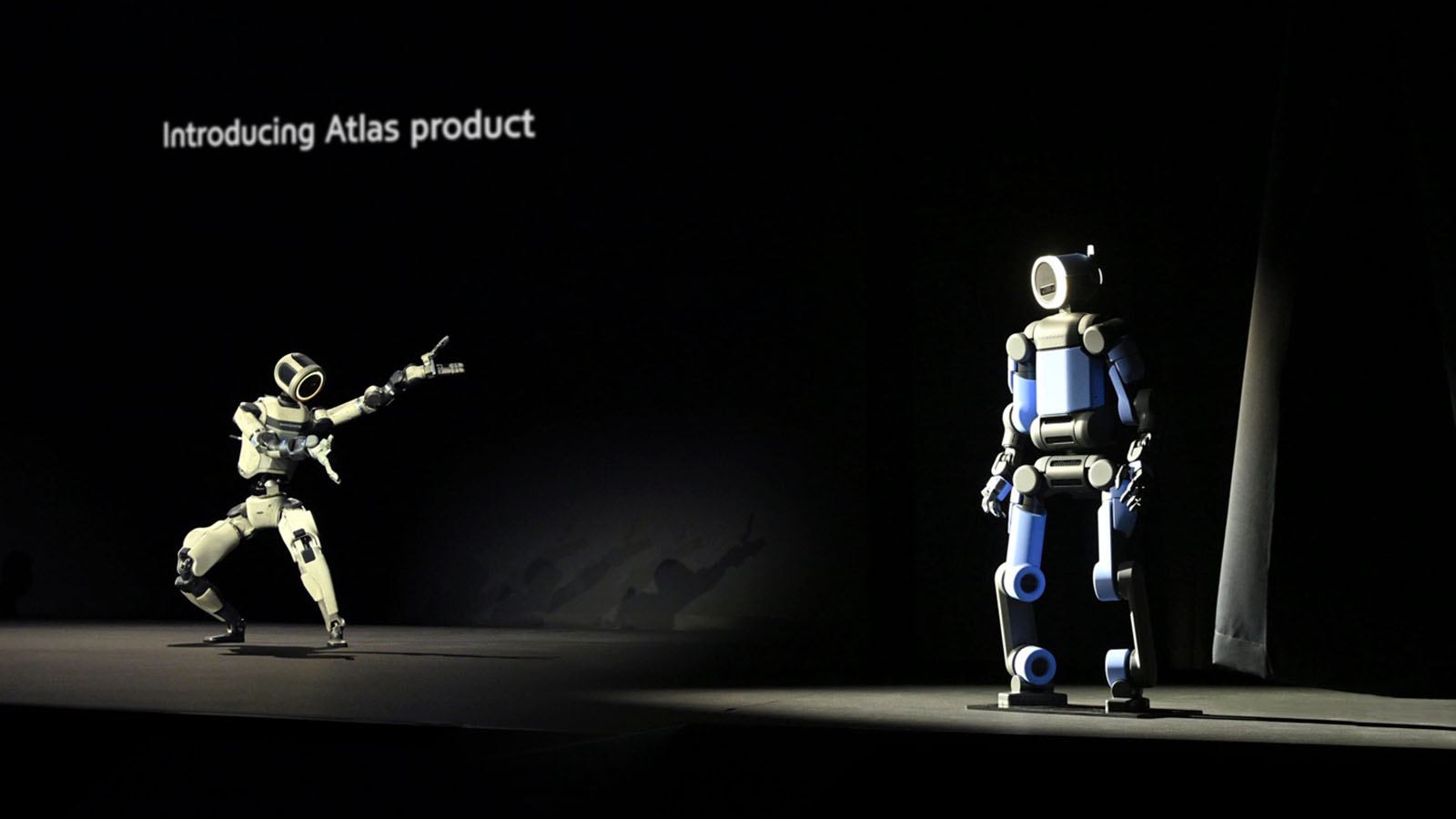
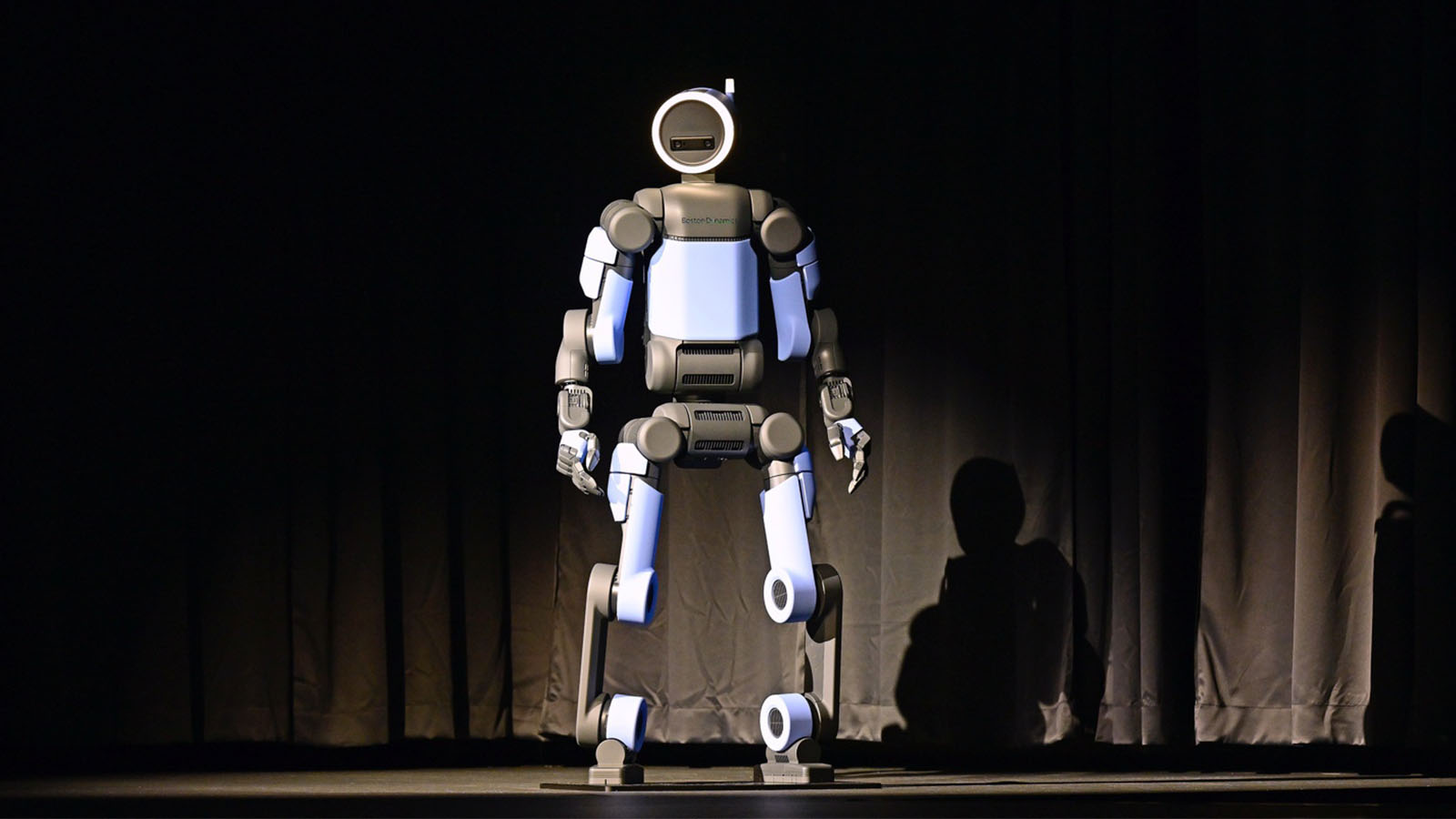
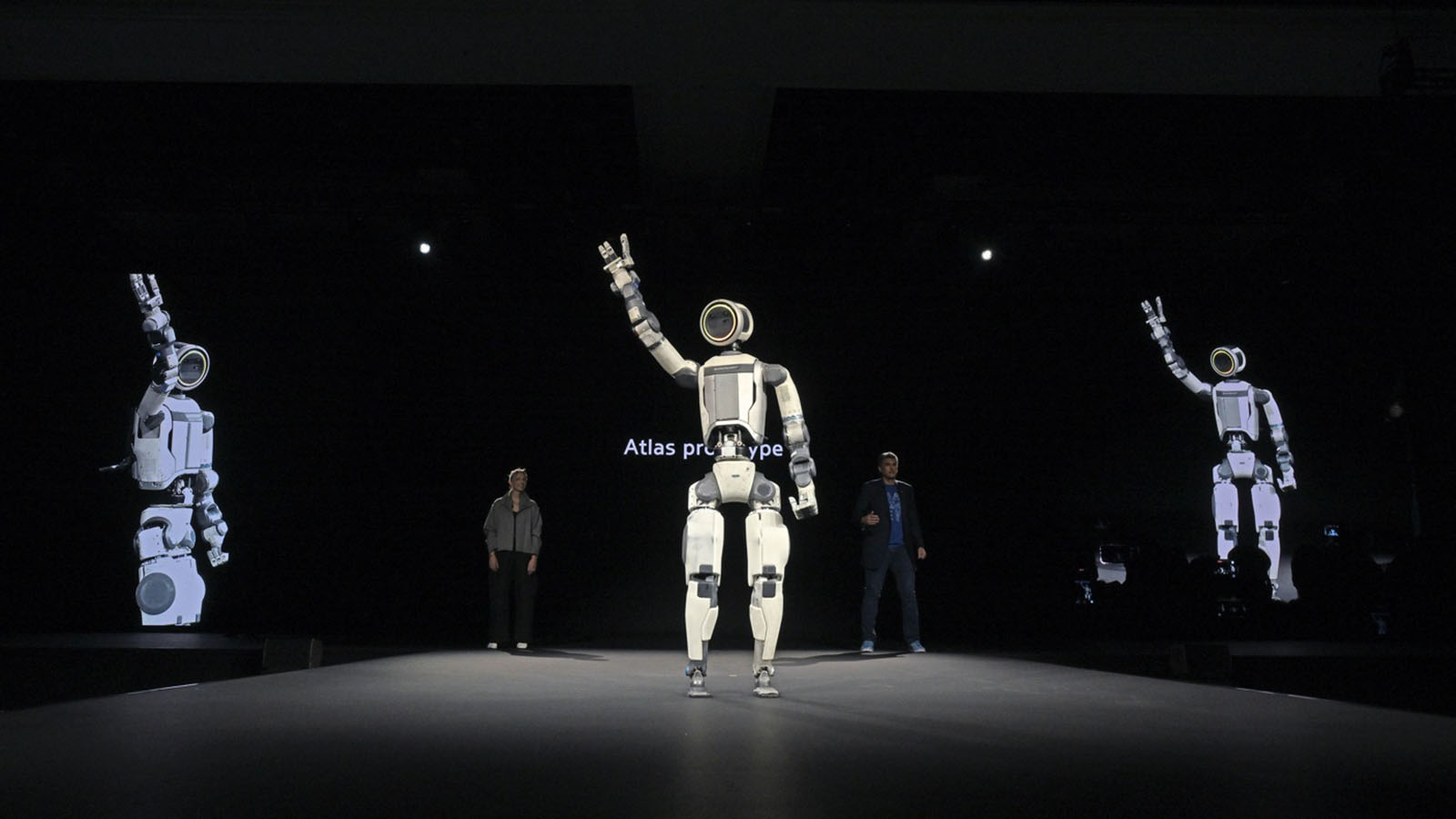
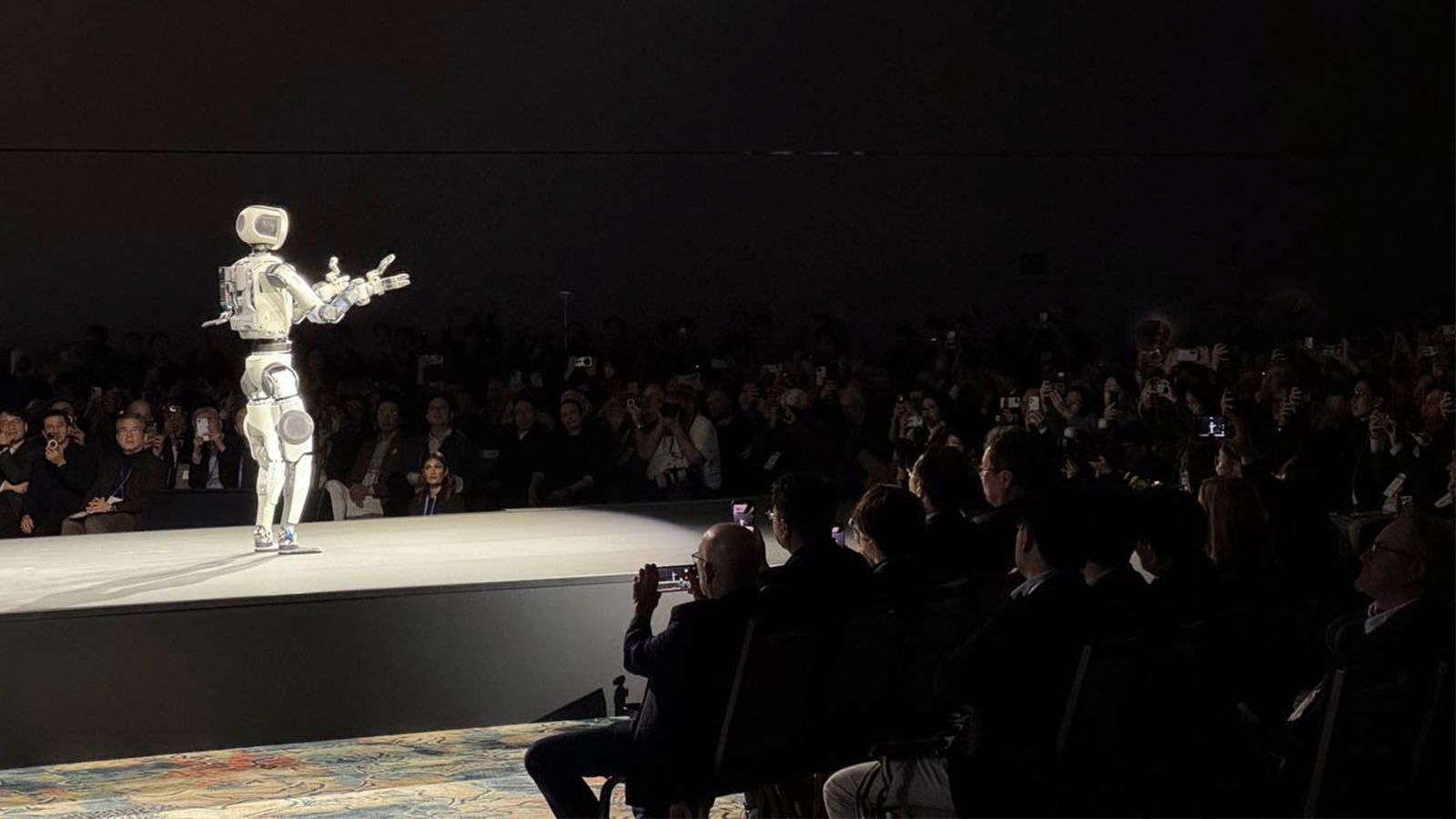
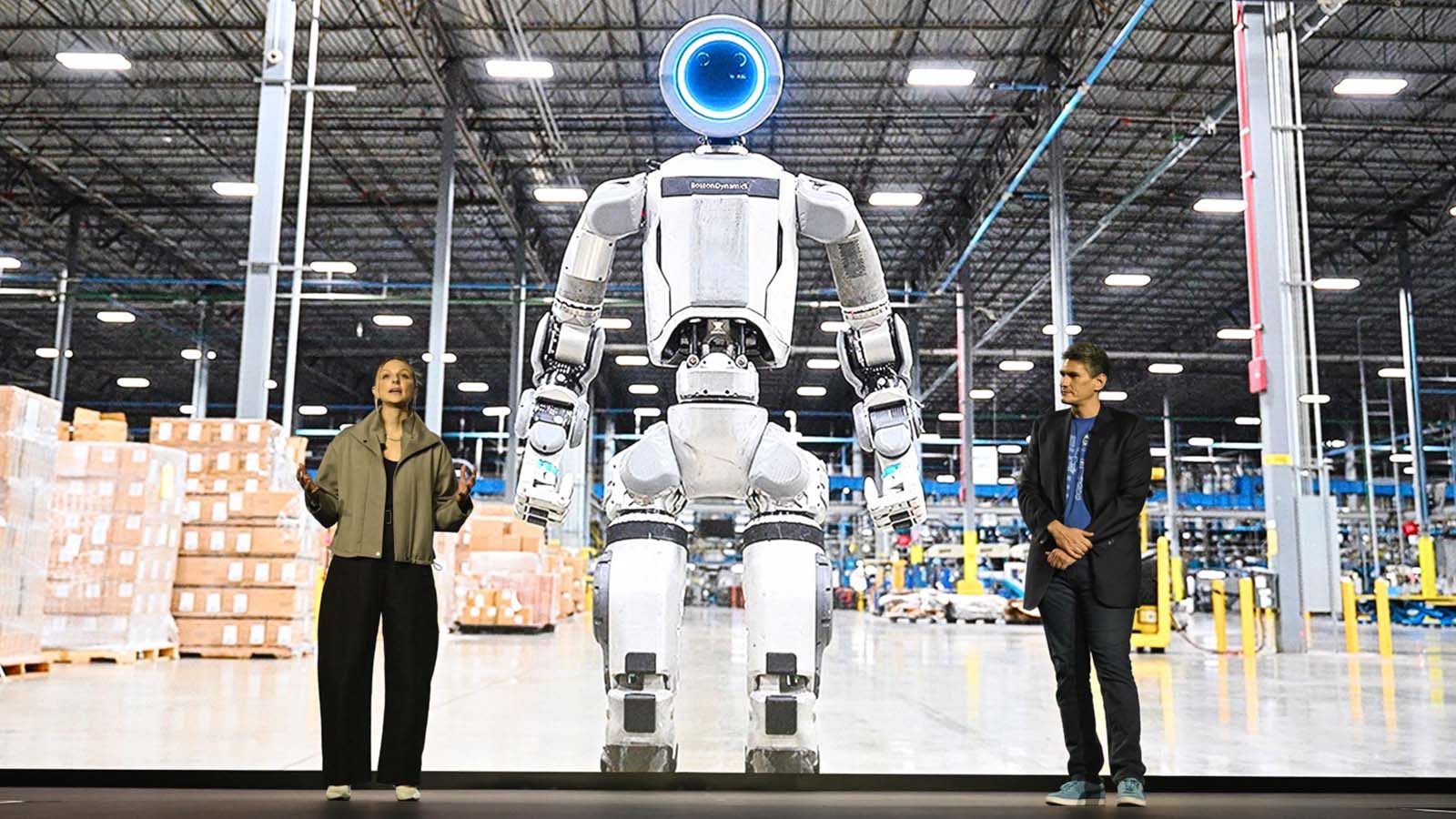
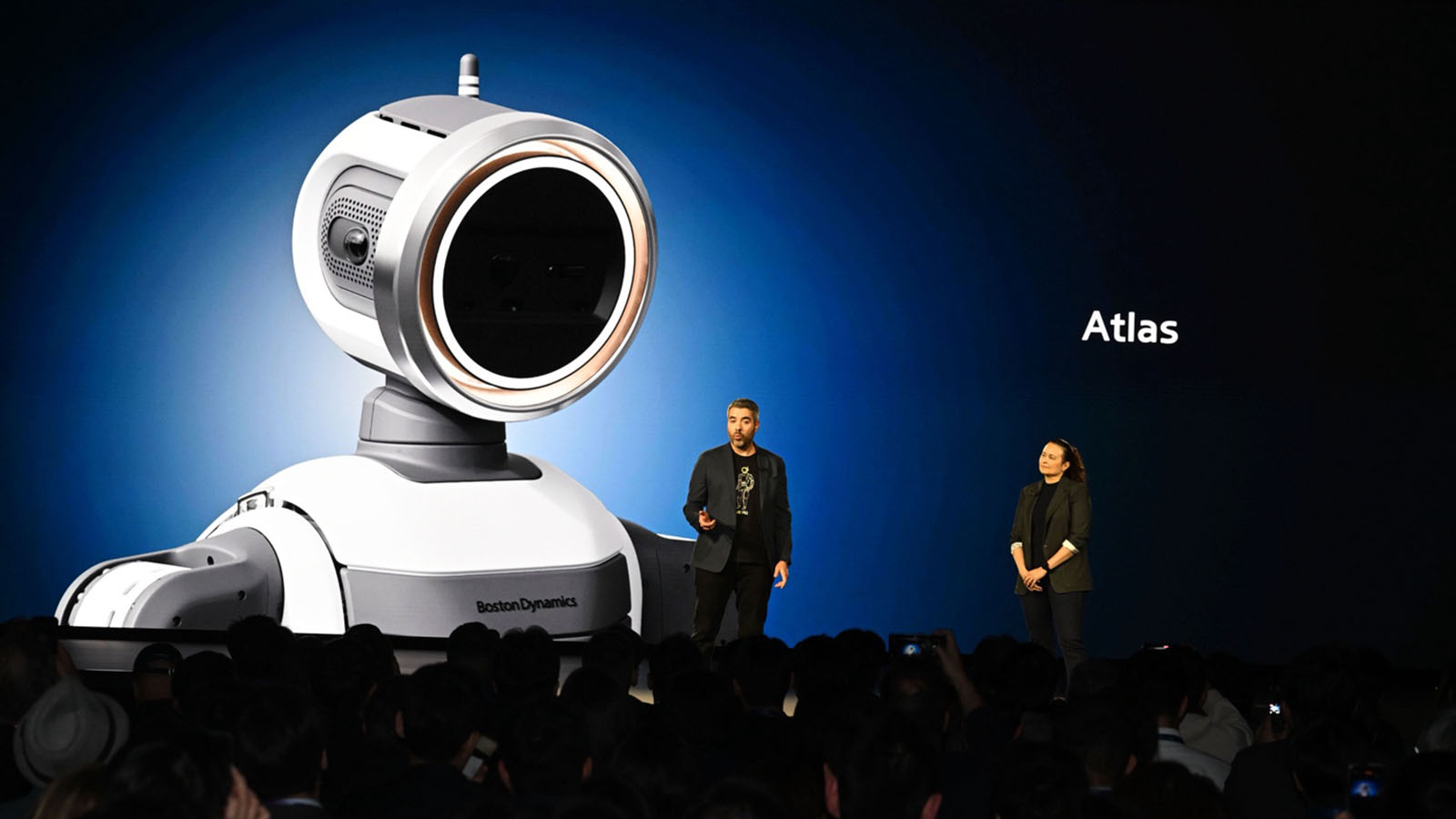
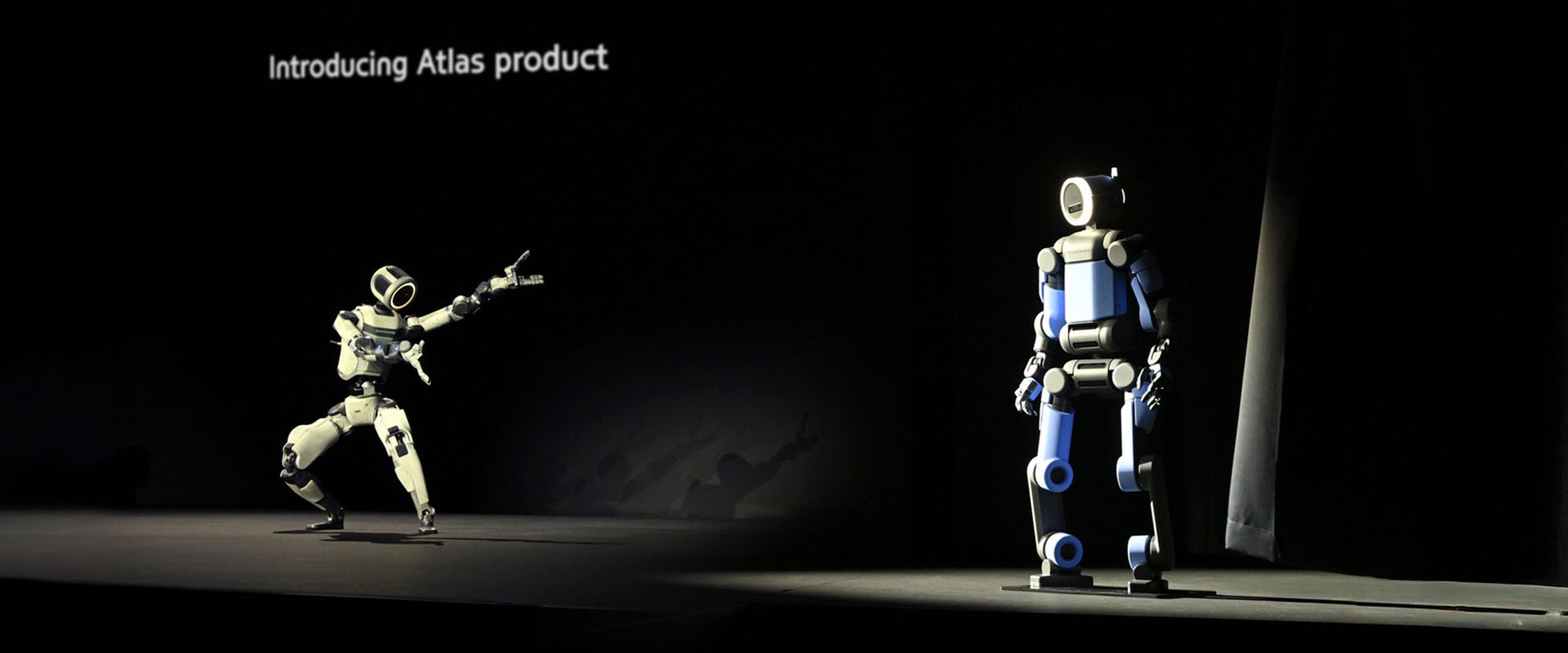
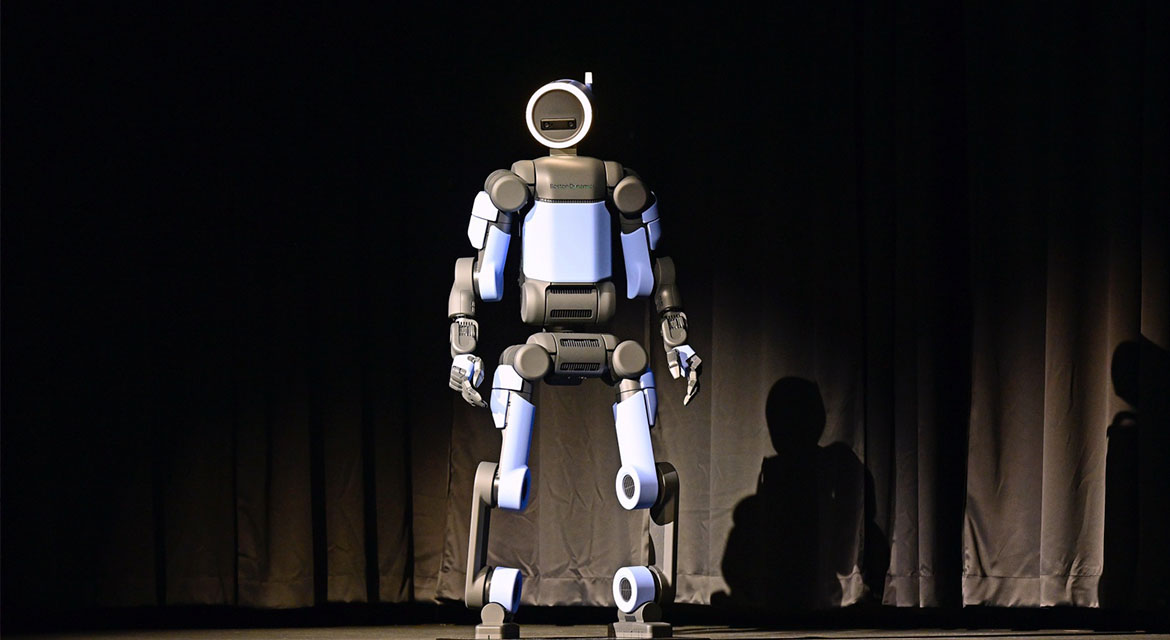
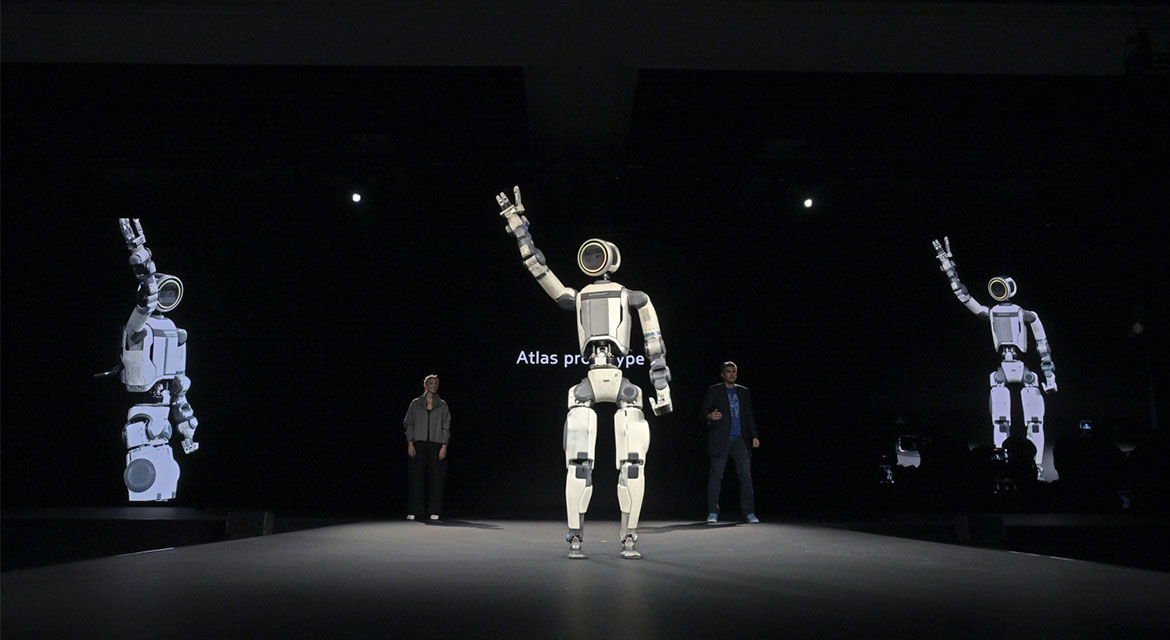
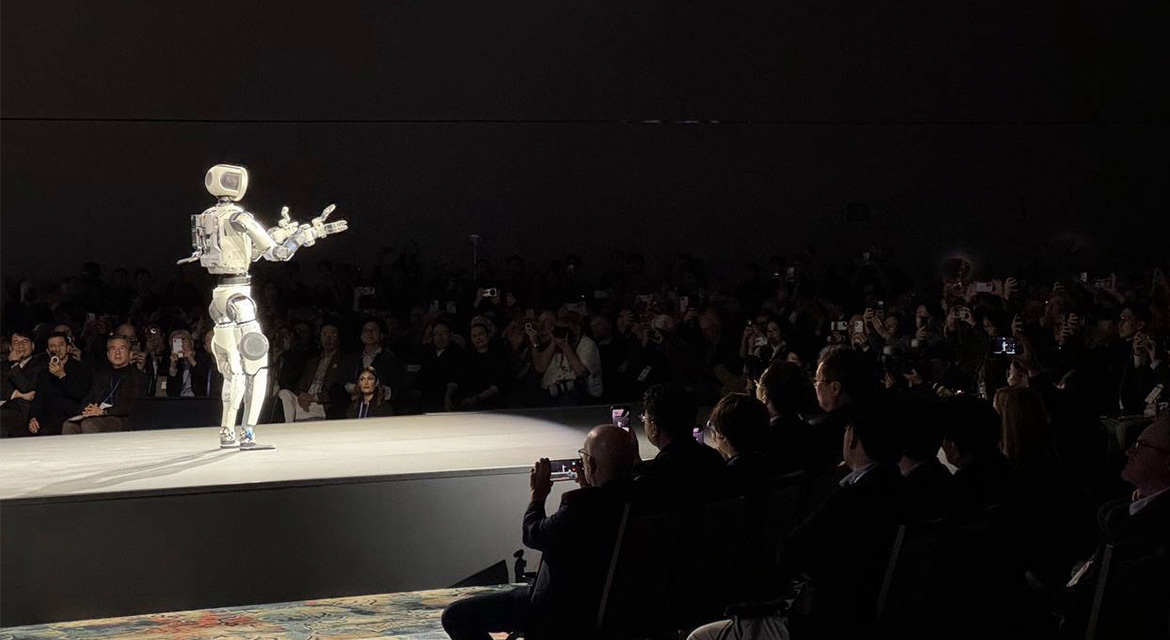
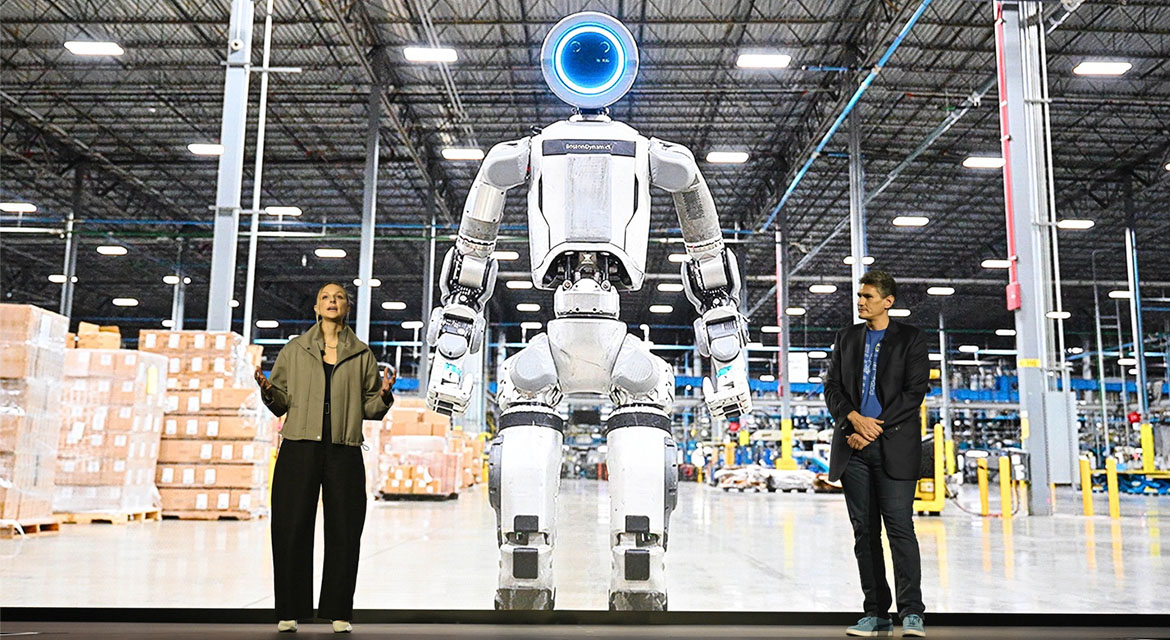
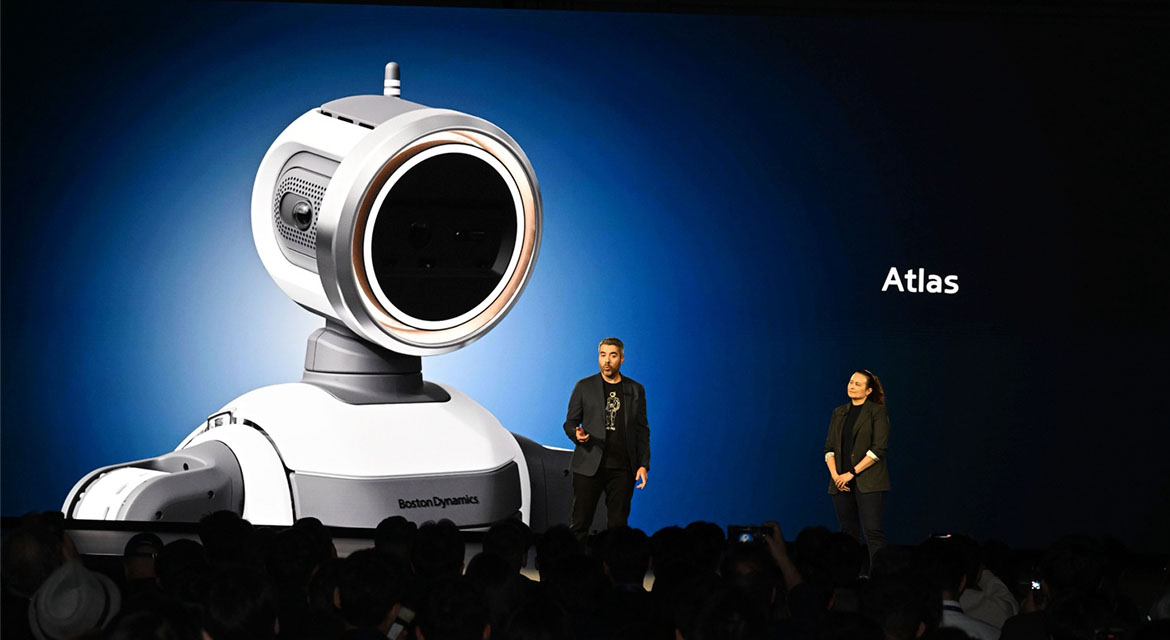
Unveiled at CES 2026, the Atlas humanoid robot presents a groundbreaking leap in robotics innovation designed for industrial applications. As a general-purpose humanoid, Atlas is built to integrate with existing facilities, ensuring the flexibility to adapt as business needs evolve while prioritizing safety, reliability, and predictability.
The Atlas prototype serves as a research model, testing core capabilities essential for future products. Equipped with advanced rotational joints and sensors, Atlas can navigate complex industrial environments, perform repetitive tasks, and leverage AI-driven learning to quickly adapt to new roles. Its mechanical design enables dynamic movement, ensuring it can operate in spaces traditionally suited to humans.
The Atlas product ushers in a new phase of industrial robotics. With 56 degrees of freedom (DoF), most with fully rotational joints, and human-scale hands with tactile sensing, Atlas is engineered to handle demanding tasks autonomously. It supports a range of applications, including material sequencing, assembly, and machine tending, while prioritizing safety, reliability, and collaboration in shared workspaces.
Atlas’s Industry-Defining Capabilities
Atlas offers a range of industry-defining capabilities, including:
- Ease of task training: Most tasks can be taught in under a day, streamlining deployment timelines.
- Autonomy and self-sufficiency: Atlas operates independently from day one, with capabilities such as automatic battery replacement and continuous operation.
- Strength and precision: Able to lift up to 110 lbs (50 kg) and perform precision tasks, Atlas excels in environments requiring repetitive and exhausting manual labor.
- Durable and weatherproof: Atlas is water resistant, designed for washdowns, and operates at its full capabilities – including strength capacity – between -4 and 104 degrees Fahrenheit (20°C to 40° Celsius)
Hyundai Motor Group expects humanoids to become the largest segment of the Physical AI market in the future and has set a goal to mass-produce the Atlas product model, deploying units at scale across industrial sites as production-ready humanoid robots.
To achieve this, the Group plans to integrate Atlas across its global network, including Hyundai Motor Group Metaplant America (HMGMA) in Savannah, Georgia, enabling it to perform real-world tasks on-site.
The Group will gradually expand the deployment of Atlas robots through process-by-process validation. Beginning in 2028, Atlas will be introduced on processes with proven safety and quality benefits, such as parts sequencing. By 2030, applications will extend to component assembly, and over time, Atlas will also take on tasks involving repetitive motions, heavy loads, and other complex operations — ensuring safer working environments for factory employees. As its performance is validated, the Group aims to progressively scale adoption across entire production sites.
This partnership exemplifies the Group’s vision for ‘human-centered automation’, where people maintain full control while fostering a harmonious collaboration between humans and robots. Robots will handle labor-intensive or high-risk tasks, allowing human workers to focus on training the robots and providing oversight.
In the long term, AI Robotics will naturally integrate into everyday life, generating new value and enriching human experiences. This approach establishes a foundation for large-scale robot commercialization and creates a future where humans and robots coexist and collaborate seamlessly.